 Tasodrums

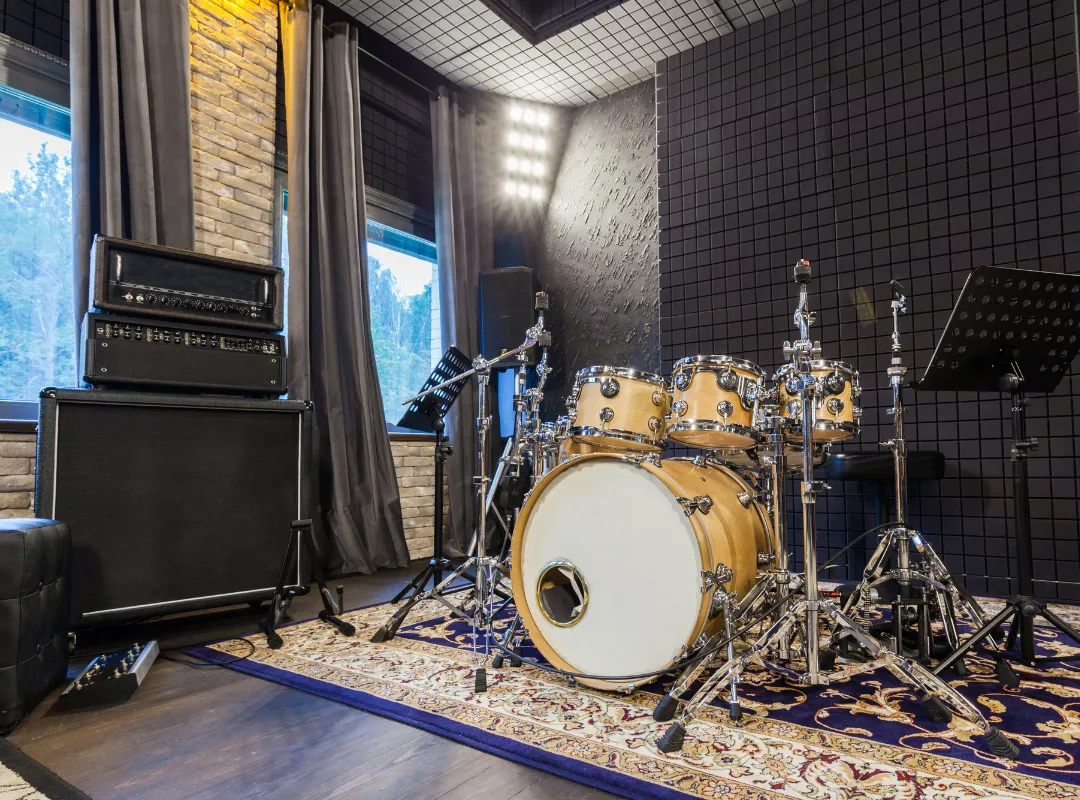
Start preparing your rehearsal space with the room itself
Note that this post is about acoustic design, not soundproofing (meaning keeping the sound from getting out). The idea is to go through how to cut out the echoes and unwanted frequencies you'd have in, for example, a normal garage.
- Size of the space (square meters and number of walls)
- Acoustics of the space at the start
- Problem spots
At the end there's also a good new four-part video series, "from bedroom to pro studio". It's definitely worth checking out for inspiration and tips, even if you're not going to put quite that much work into your own drum room.
1. Size and shape of the space
Start planning by getting to know the space. Acoustic design for a big room and a small room is very different.
Is the room rectangular, meaning four walls, or does it have extra corners / more walls? How high is the ceiling?
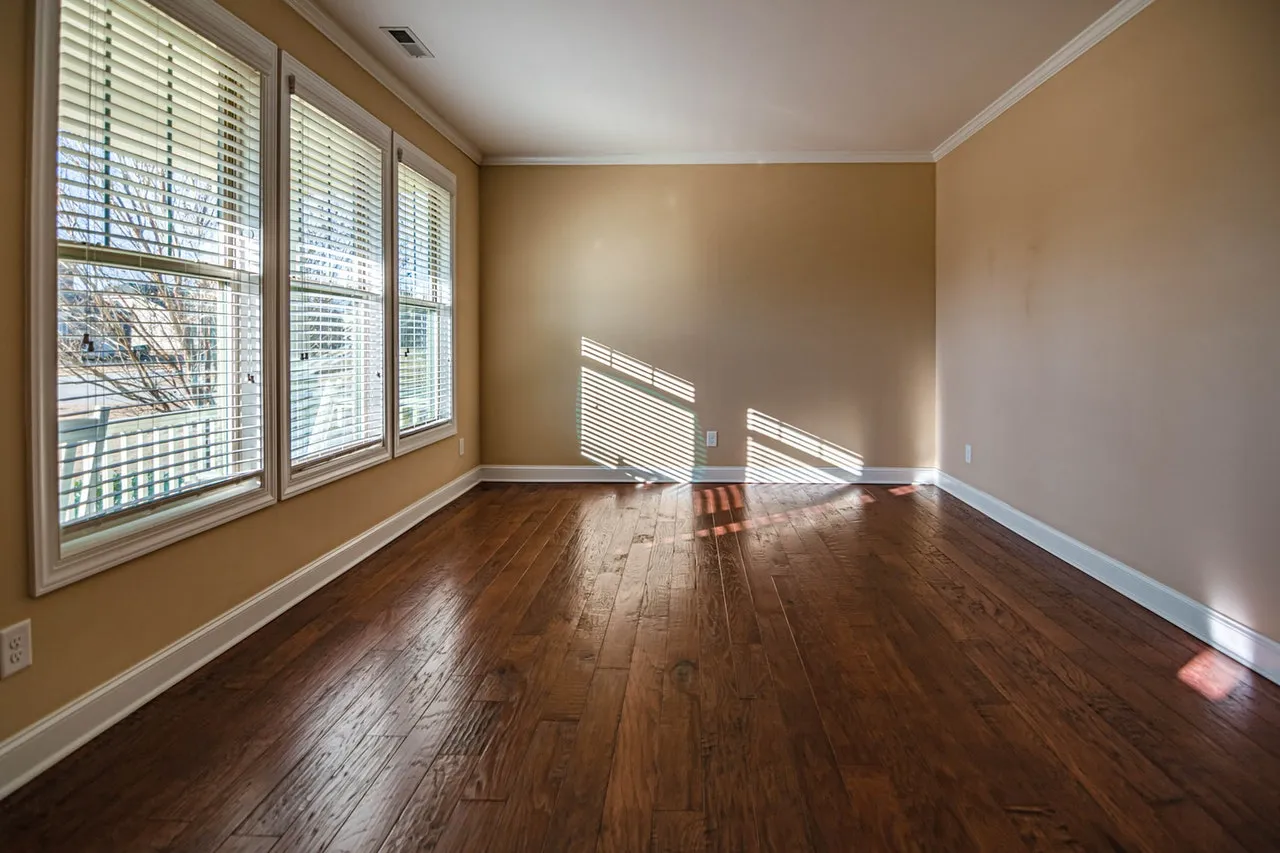
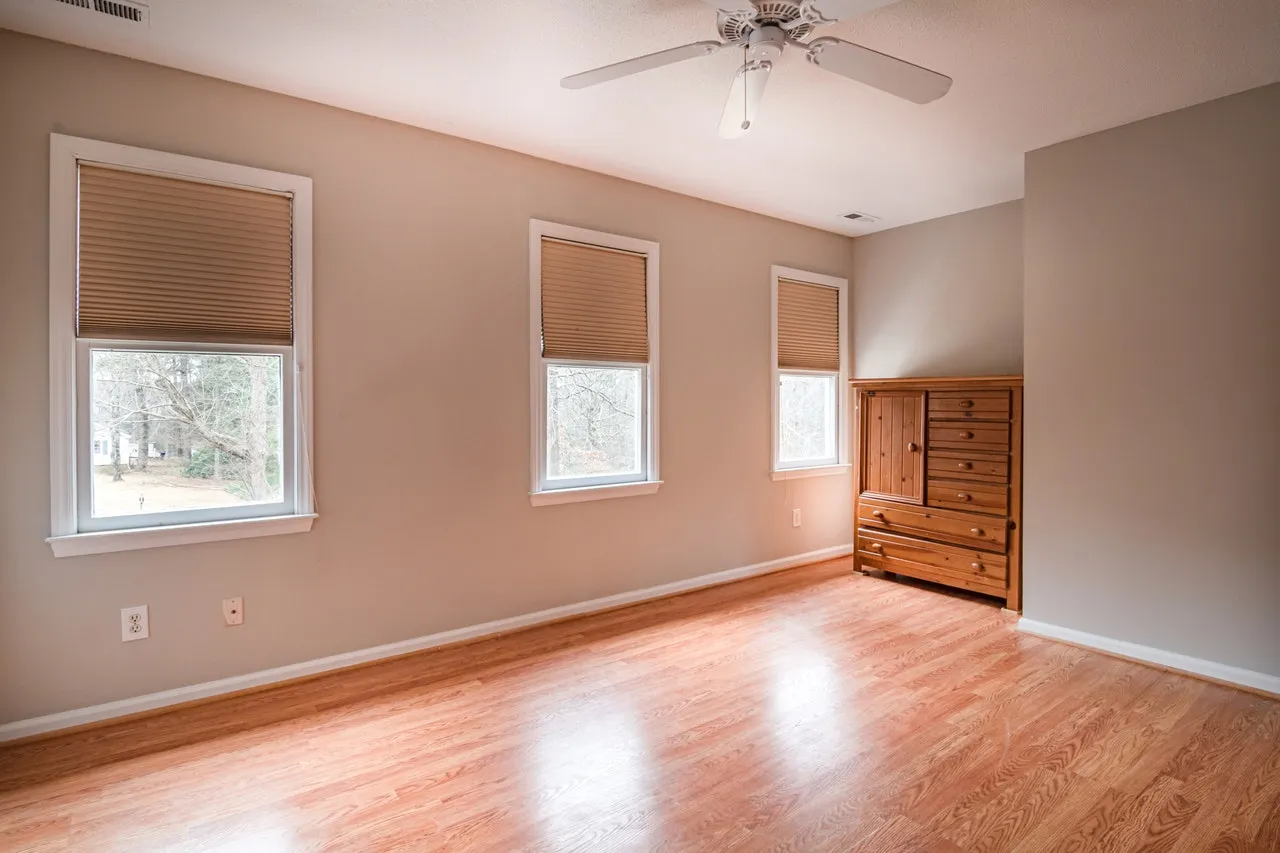
2. Acoustics of the space at the start
Does the space have a rug or windows? Does it echo, or does it already have elements that dampen sound?
At this stage, don't count the furniture that's going into the rehearsal space. We're only talking about the space itself.
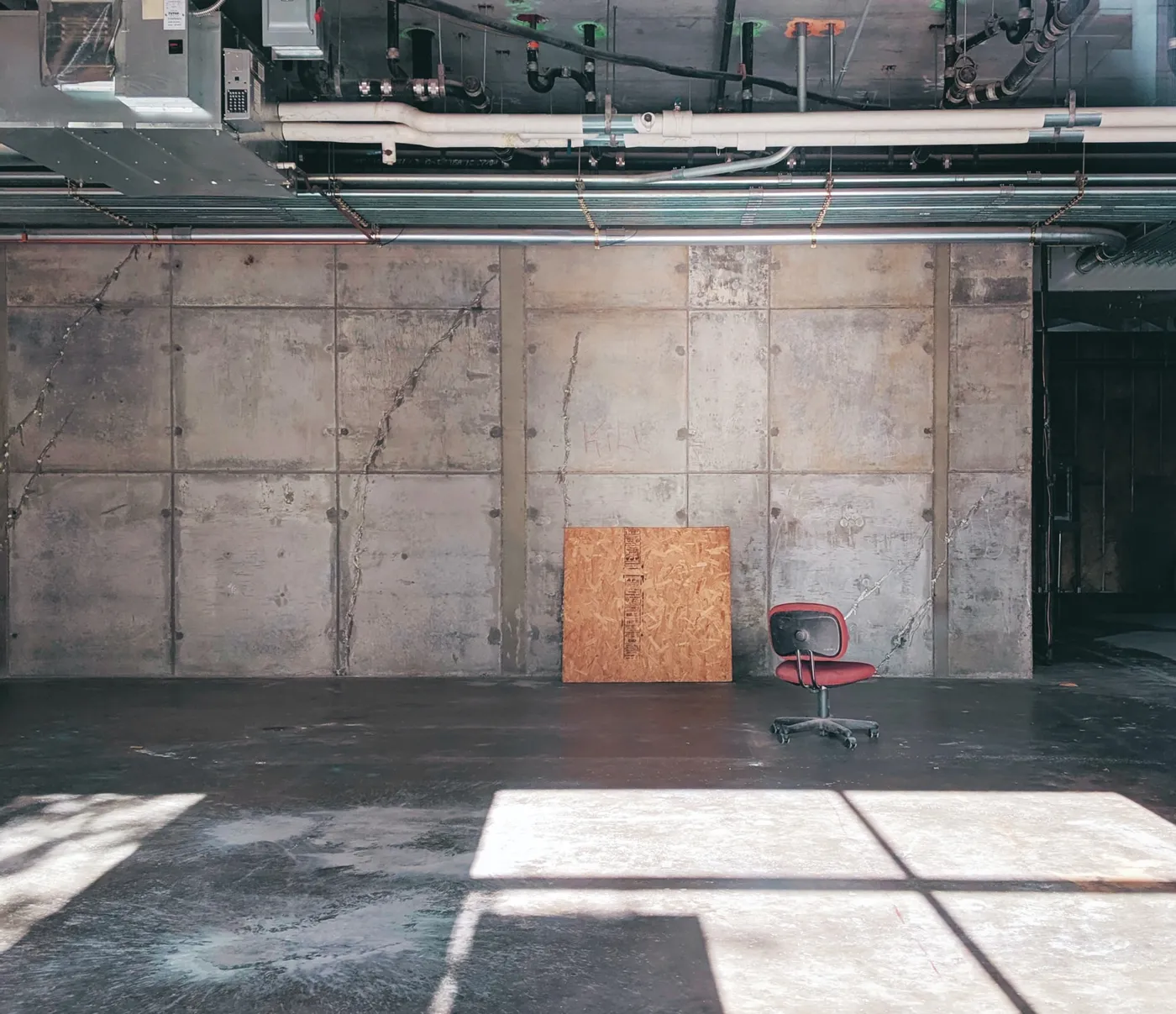
3. Problem spots
Every space has spots that already work better than others. Walk around the space and clap your hands, and listen to how the sound bounces around in different parts of the room. Write down the spots that echoed a lot, or the ones where the clap didn't sound so bad. This affects where it makes sense to put your drum kit in the end.
Let's start the acoustic design
Now that you have a bit of an idea of what the space itself feels like, you can start planning how you want to improve its acoustics.
There are several options:
- Acoustic panels
- Diffusers
- Bass traps
- Furniture and textiles
Let's go through these one at a time.
1. Acoustic panels
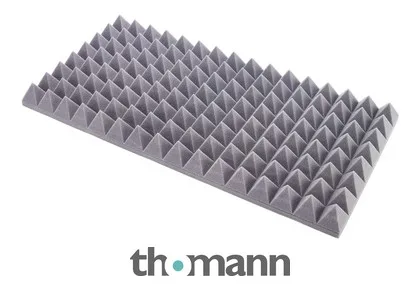
Acoustic panels come in many types and sizes. You can put together a combination that fits your space well. The key is to put panels on the walls and ceiling, so the sound doesn't bounce from one surface to another and cause unnecessary echo / noise. Keep in mind that acoustic panels are in no way soundproofing. They shape the acoustics.
Acoustic panels are pretty expensive, so remember to look for used ones too.
2. Diffusers
Diffusers are mounted on the walls or ceiling like acoustic panels, but they hardly absorb sound at all. They have deliberately odd angles and protrusions whose job is to scatter the sound in several directions.
Diffusers are really useful, so use them if your budget allows.

3. Bass traps
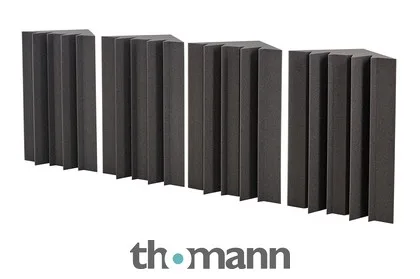
Acoustic panels remove more of the echo and highs, but they don't handle low frequencies very well.
A couple of bass traps in the corners work wonders on the unnecessary low frequencies and boom of the bass drum. The downside is that a bass trap needs to be fairly big to work, and they're also really expensive.
4. Furniture & textiles
If your budget is limited and there's enough room, make use of furniture you already have.
Sofas, rugs, armchairs, a bookshelf full of books in the corner, curtains, fabric wall art... All of these help control the acoustics when they're placed right.

Tips for acoustic design
- If you buy acoustic panels, thicker is better. They dampen sound better.
- An air gap is good, it makes the panel dampen more effectively. If you can, mount the acoustic panel on the wall so there's a small space between the panel and the wall. That way the sound goes through the panel to the wall, and through the panel again on its way back. Same with furniture: leave some space between the shelf and the wall.
- Corners are bad for sound quality. They make the sound muddy and especially make low frequencies build up in the corners. Use bass traps / furniture in the corners.
- You don't need to put acoustic panels symmetrically on every wall. Alternating them on opposite walls, so bare wall spots aren't directly facing each other, is actually better.
- Keep in mind that the ceiling resonates too. You may need acoustic treatment on the ceiling as well. Same thing with the floor, but buying a rug is a lot easier than treating a ceiling.
- Doors and windows are the worst for letting sound carry out of the room. Buy weatherstripping and try to make the window and doors seal as well as possible.
- Get inspiration from different setups.