 Tasodrums

These videos help, but only if you play along
For review and practice, this post collects a few reading and rhythm exercises for drummers. Just watching the videos helps too, but you'll learn best when you take your time with them and play along.
1. Recap of the basic concepts
Let's go over the basic notes and how to count them once more with some examples. Counting notes is an important skill, especially at the start, because it helps you understand when each note is played and how the notes fit together in your playing.
This is really important to understand, because in music and drumming people use expressions like "It's on the and of two" (the stroke lands on the "and" after two) or "hit the snare on the A's" (hit the snare on every "a"). The faster you can tell where each term puts the note, the easier it is to absorb and learn a new rhythm.
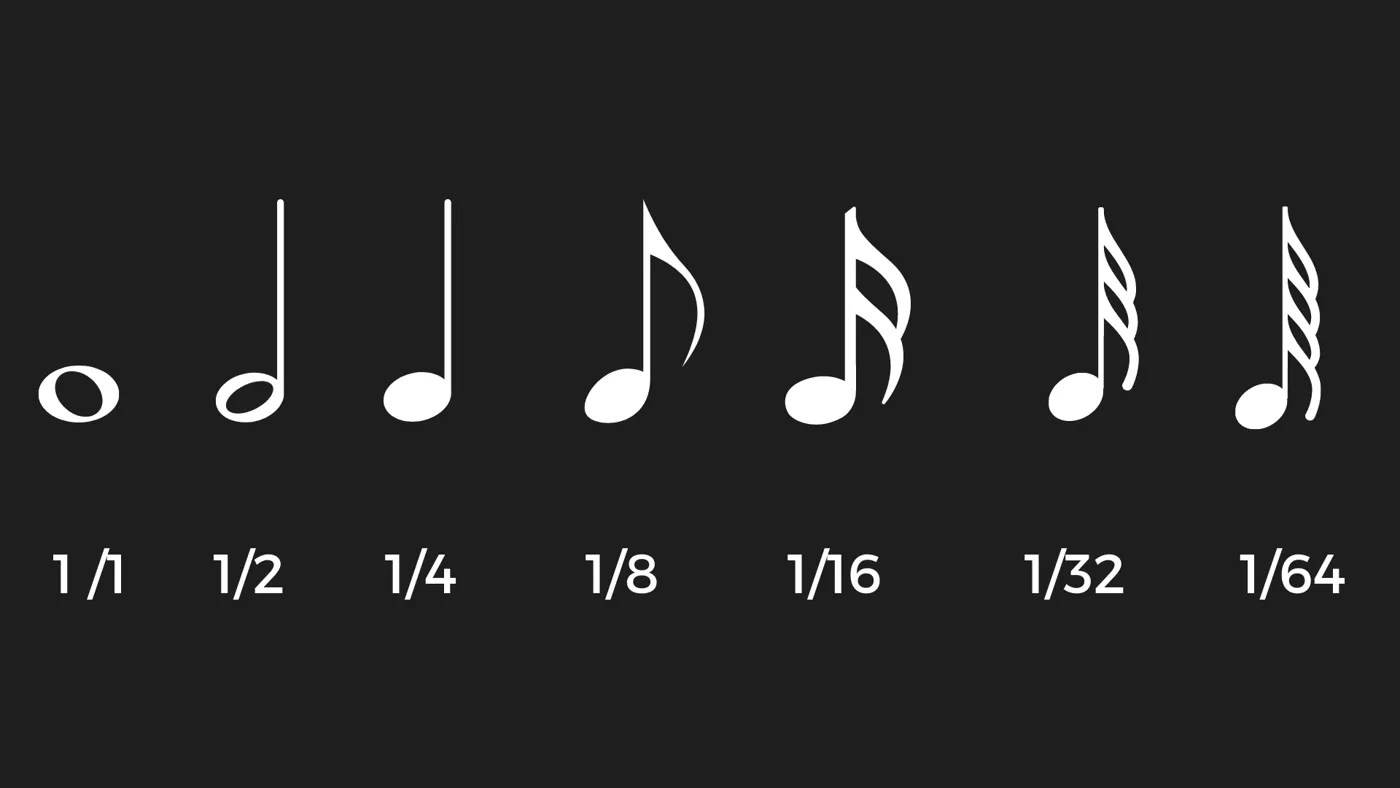
Drum notation from quarter notes to sixteenth notes, and how to count them.
A second video that goes through the same thing. Watch this one too: you can never review too much, and sometimes things make more sense when someone else explains them. This video also mentions the term time signature. You can read more about it in the "Time Signatures" blog post.
Drum notation in two minutes! Note that there are a few different ways to write the ride and the crash, and they vary a bit depending on who wrote the music.
Rhythm exercise 1
If you watched the previous videos carefully, you should now remember how to count the different notes and how the different drums of the kit are written on the staff. Let's keep going with reading exercises. It's a good idea to pause the video first and try to count and play the line yourself before you check the answer in the video.
This video has common rhythms and how to count them. Count and play along!
Note! Dotted notes
In this video you also saw a few notes with a dot after them. The dot is used to make the time before the next note longer. On drums you can't get a longer sound no matter how you play, unlike on piano, for example. So one way to push the next note further back is to write a dot after the note.
In theory, you could do the same thing by writing a note and adding rests after it. For example, a dotted quarter note could be written as a quarter note followed by an eighth rest. But the dotted note was made exactly for this, so it's better to learn to use it.
Put simply, a dotted note is as long as three of the next smaller notes. In other words, it's 1.5 times the length of the same note without a dot. For example, a quarter note lasts two eighth notes, so a dotted quarter note lasts three.
So:
A dotted quarter note lasts as long as three eighth notes
A dotted eighth note lasts as long as three sixteenth notes
A dotted sixteenth note lasts as long as three 32nd notes.

Rhythm exercise 2: Let's practice reading rhythms
Onward! Let's practice counting and playing rhythms some more with the next video.
It keeps getting harder. See how far you can get: pause the video, read the line yourself first, and only then watch how it's played. This helps a lot more than trying to keep up with the video without really understanding what you're playing.
Rhythm exercise 3: Let's play!
Now we've practiced different rhythms and counting. Next, let's see what this looks like in drum grooves.
This video has different bass drum patterns. How to count the notes is also written above each bar. Count along, either out loud or in your head. Focus especially on recognizing which beats (meaning which count, like "one" or "two and") the bass drum lands on.
And to finish, some more rhythms. They'll teach you something new, and you'll notice how counting notes and rhythms move from plain exercises toward everything you actually play on the drums.