 Tasodrums

1. Drumsticks
To get started, you first need something to play with. There are lots of drumsticks out there, but if you know a few basics, you'll be able to buy your first pair.
Drumsticks come in different thicknesses. Here are the most used, standard stick sizes:
- 2B – really thick sticks
- 5A and 5B – the standard stick size, you can't go wrong with these. 5A is a little thinner and lighter than 5B.
- 7A – a thinner stick, also good for kids. A good choice up to about age 10, after that any size works.
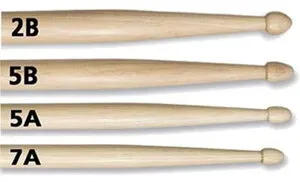
Image: www.drumeo.com
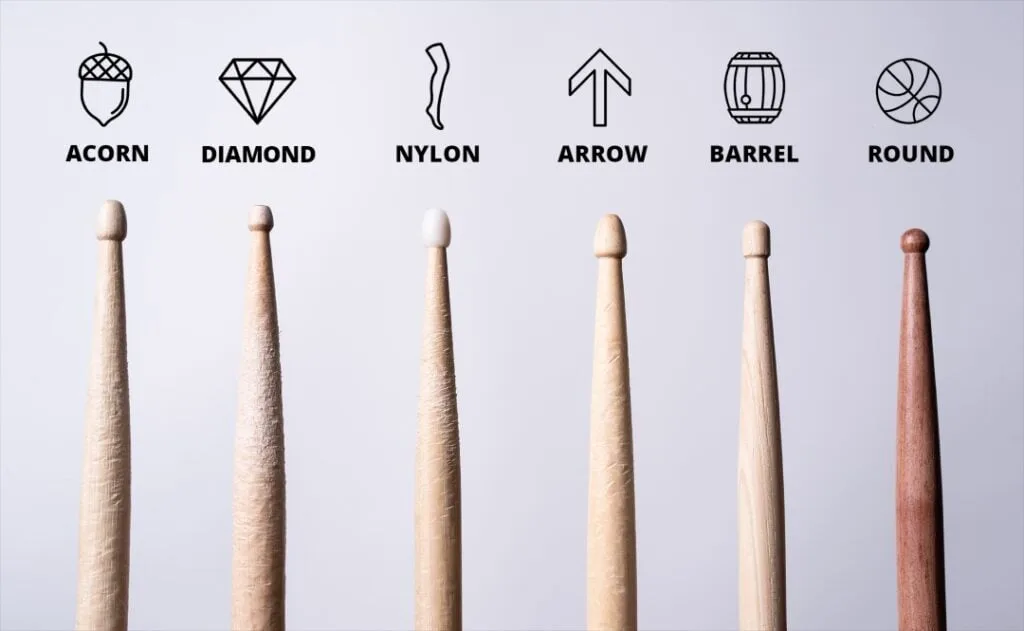
Drumsticks also have different tips (the end of the stick). At first it doesn't matter which one you pick. As you go, you'll slowly find the one that suits you. The exception is the nylon tip, which can be good for electronic drums to protect the heads, but it's not necessarily as good on an acoustic drum kit.
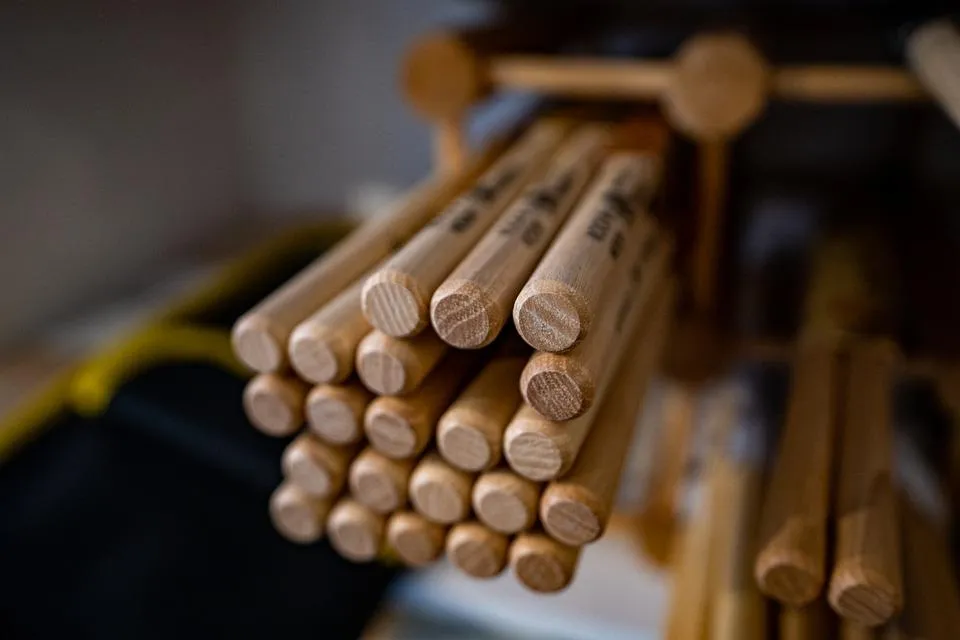
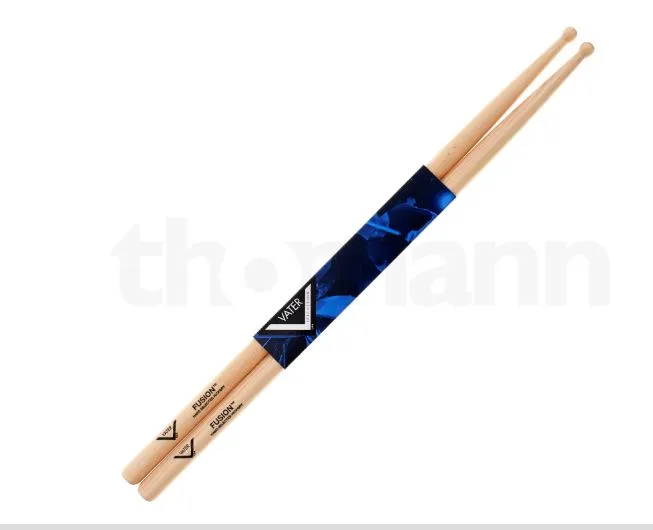
The most used drumstick brands are Vic Firth, Vater and Promark.
Your grip and technique will develop little by little, so a stick that feels great at the start might not end up being the best one. Try sticks from different brands.
Drumsticks break now and then, so it's a good idea to always keep a couple of pairs within reach.
Read more about stick sizes, materials and tips in Drumsticks 101.
2. Practice pad / practice kit
Now you've bought your drumsticks, or at least decided on them. Next you need something to hit.
You probably want to buy a drum kit. But if you don't have the space or budget for a big kit, you can get started with a practice pad or a practice kit. See more tips on these in Drum Kit in an Apartment Building, which has examples of different practice kits.
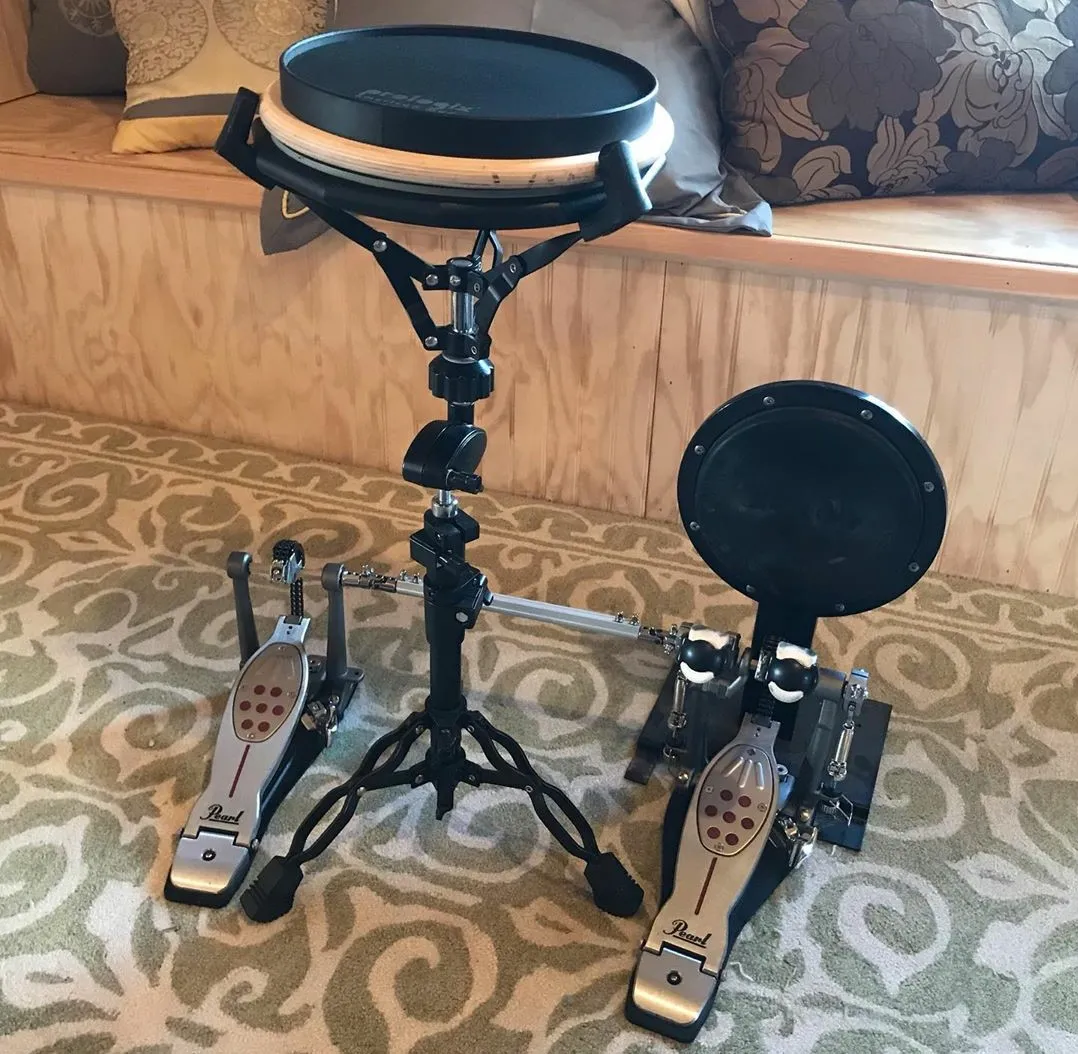
Compared to a drum kit, these are cheap to buy, and depending on where you live, you can also find them used: Tori.fi (a Finnish marketplace), the muusikoiden.net marketplace and the Facebook group Rumpukirppis.
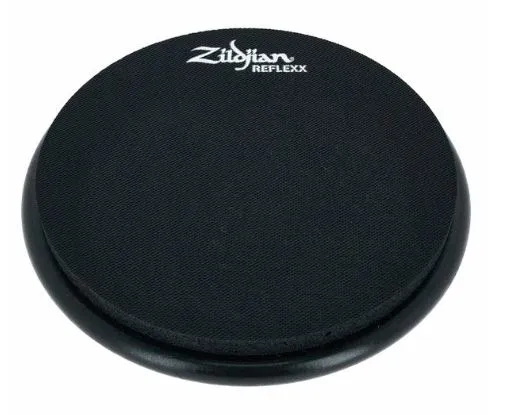
First buy drumsticks, a practice pad and a snare stand, so you get a better playing position. These already get you off to a good start, since stick technique is one of the most important skills when you start playing drums. They also fit in a small space and work in an apartment building too.
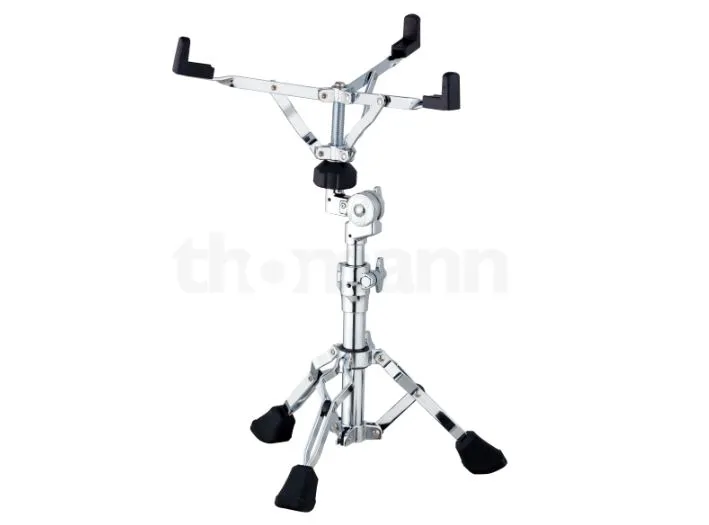
Later, if you can, you can buy a bass drum pedal, a bass drum practice pad and a drum throne. Of these, buy the throne first. Keep in mind that the pedal and throne move straight over to a drum kit if you buy one later, so getting them pays off in the long run too.
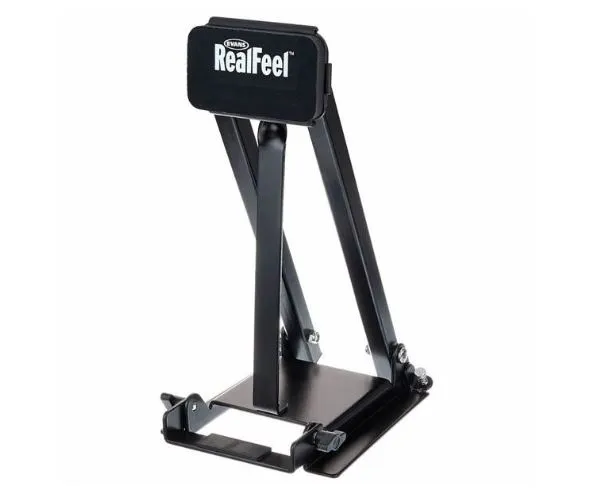
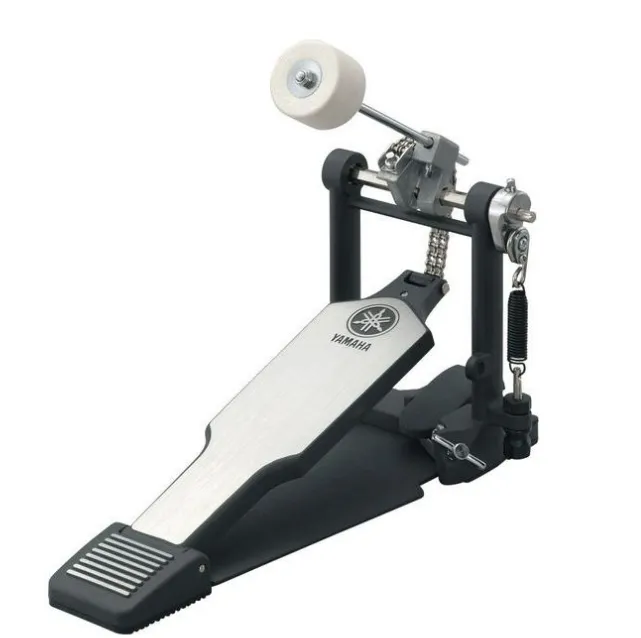
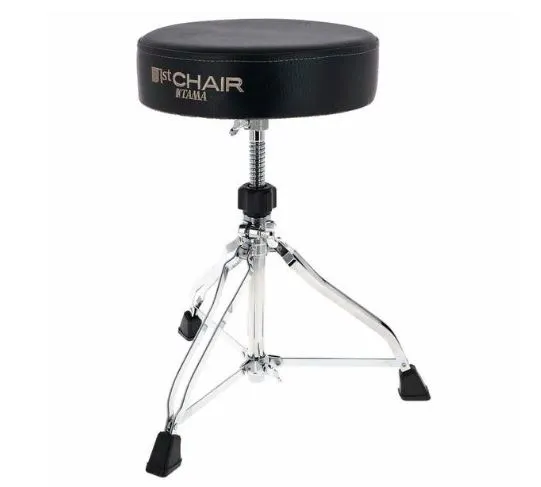
Watch a similar practice kit in the video at 5:30.
3. Drum kit
If you have a bit more budget, plus a corner in the living room or bedroom for an e-drum kit, or a garage or separate practice space for an acoustic drum kit, it's of course a good idea to buy your own drum kit as soon as possible.
See this blog post for tips on buying a good electronic or acoustic drum kit. Since there's already a separate post on the topic, I won't go deeper into the differences between kits here, but you can watch a few tips in the video.
When buying a drum kit, keep in mind that you need headphones for electronic drums so you can hear the drums, and hearing protection for an acoustic kit, because they're loud.
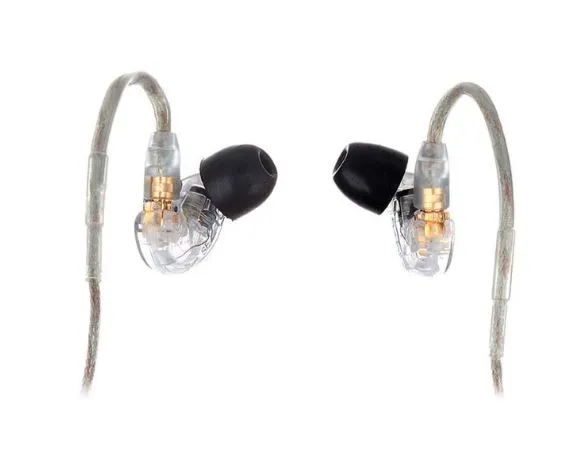
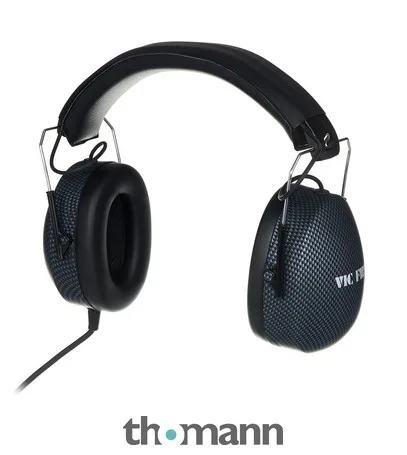
In both cases, the best option is to buy noise-isolating headphones, so you can block out the drum sound and hear the drums, the metronome or the backing music at the same time. Then you don't need separate hearing protection.
The first headphone suggestion below is the Shure 215, the best-selling in-ear headphone in its category. These are really good and durable, and I've been using them myself for years. If you don't want earbuds, over-ear headphones are the alternative. With electronic drums, many modern gaming headsets or noise-canceling headphones also do the job. With acoustic drums, cheaper headphones are tricky, because they don't block out enough sound.
Now you're ready!
With these, you can get started playing drums. Admittedly, drumming isn't the cheapest hobby, especially if you want to buy gear right away that will serve you well for the first few years. If it's a hobby for a child and you're not sure it'll last, remember that if you buy mid-priced, good-quality gear, you can sell it on if needed. All kinds of drum gear changes hands a lot on many platforms, so there will definitely be buyers.
But let's assume the hobby continues and keeps developing, in which case you'd want to upgrade the gear you bought at the start to something a bit better anyway. Drummers are known for suffering from GAS (Gear Acquisition Syndrome), and the hobby easily sweeps you away. But what could be better?