 Tasodrums

What's good to know about cymbals
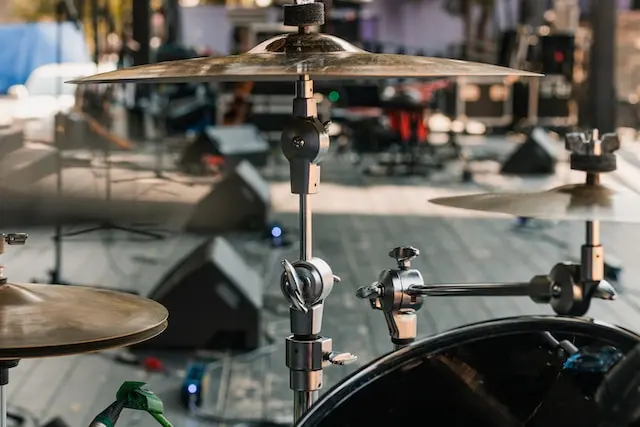
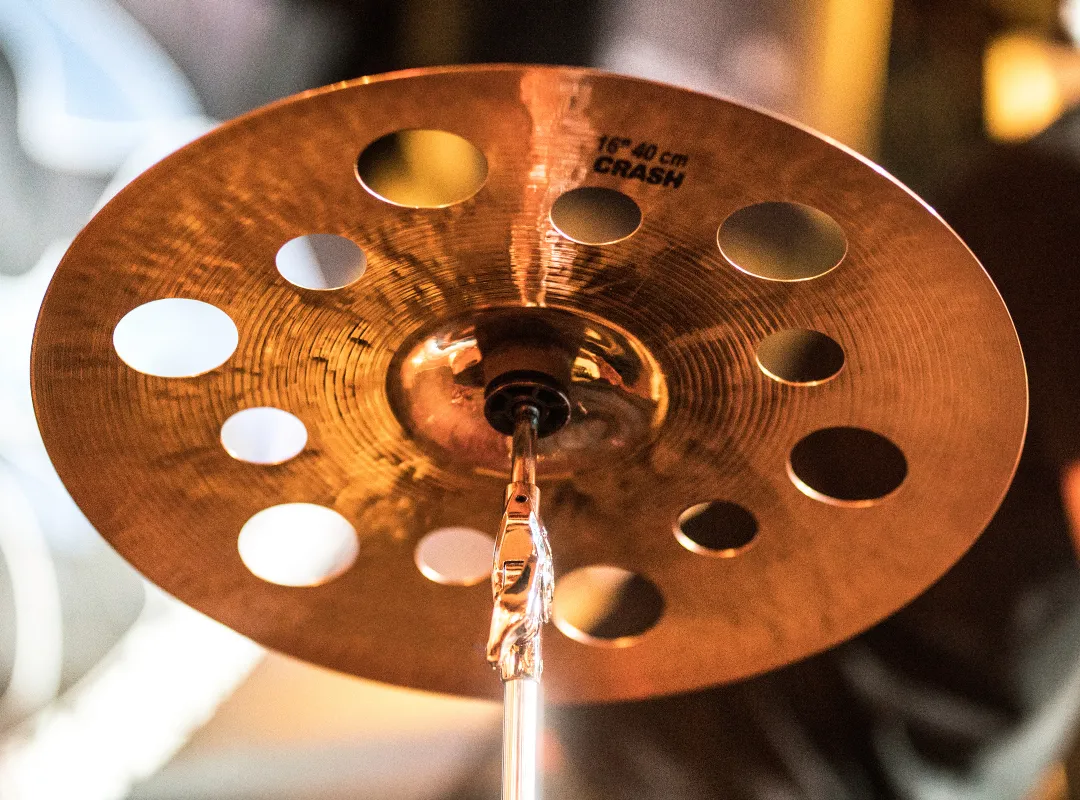
Cymbals are definitely the most creative part of a drum kit. There are lots of different cymbals. They come in different thicknesses and diameters, and different cymbals are for different purposes. Every cymbal has its own unique sound. Some people want to play with just a couple of cymbals, while others want 10+ different cymbals in their kit.
To get you started with buying and upgrading cymbals, in this post we'll go through certain basic cymbals that you'll find in pretty much every drum kit, plus a few tips for choosing the right cymbal.
Brands and prices
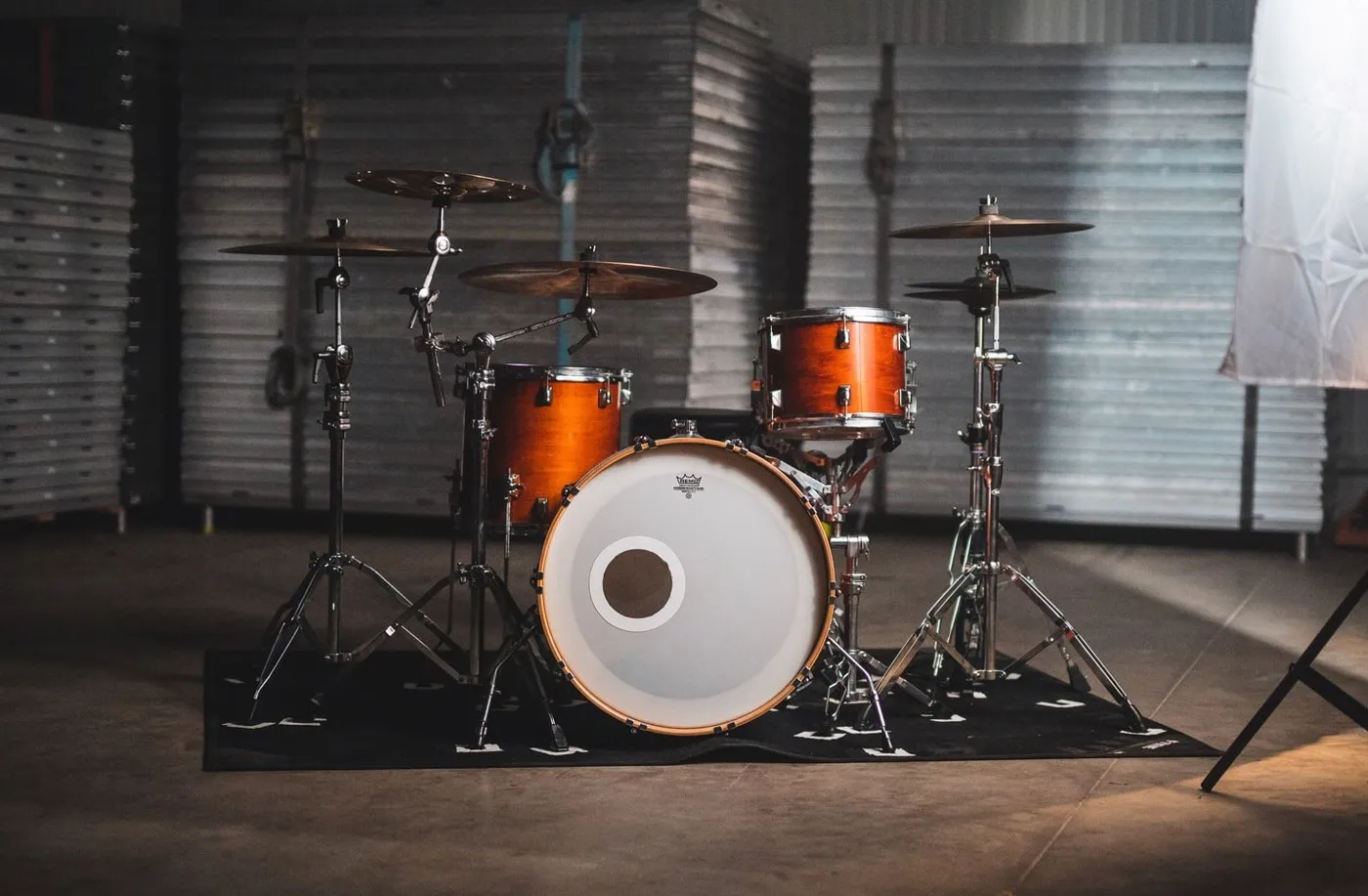
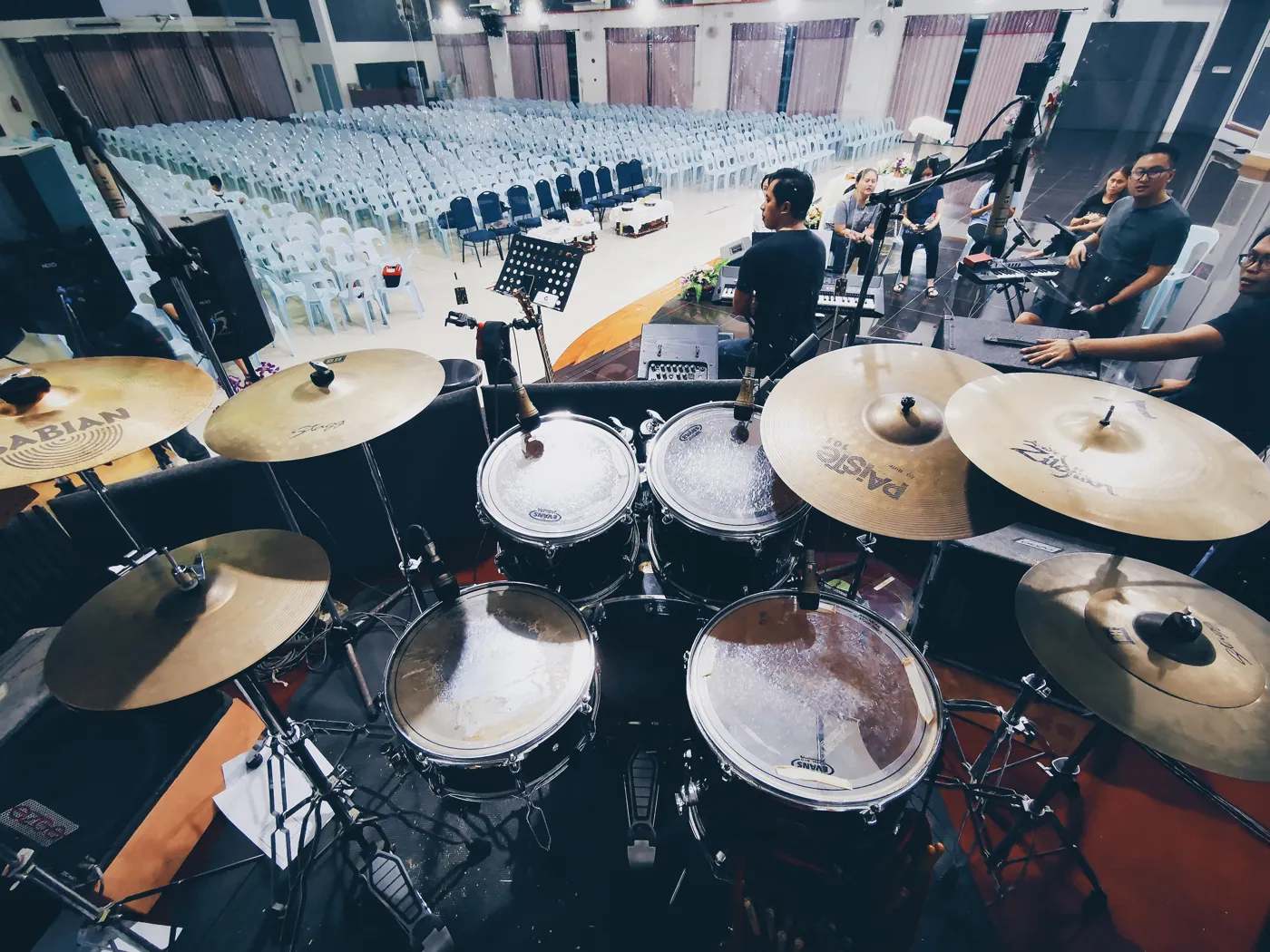
The best-known cymbal brands are Meinl, Zildjian, Paiste, Istanbul and Sabian. From Finland we can also mention a maker called Sihi. The brand doesn't really matter, but just like with drums, cymbal makers each have their own way of making cymbals, and different series and models for different sounds, purposes and price ranges.
Price-wise, cymbals are definitely the hardest part of playing drums. New cymbals cost a lot in comparison, and they don't really lose value when used either, as long as they're in one piece. Cymbals that actually sound good often cost you a pretty penny, and a cymbal that's even a little broken / cracked is practically worthless.
Because of the price, testing cymbals and constantly switching them isn't realistic for most people. Music stores often have some cymbals on display so you can go try them out, and there are also demo videos on YouTube.
Tip: buy cymbals used
Even though cymbals don't lose much value with use, they usually do lose a little, so you can often get a used cymbal cheaper than a new one. This post has links to the online store of the German shop Thomann, so you can easily see what's available and compare prices. It's a good idea to look at used cymbals too. The best places are the Facebook Rumpukirppis group (a Finnish drum flea market) and the muusikoiden.net marketplace section (a Finnish musicians' site).
The cymbals of a traditional drum kit
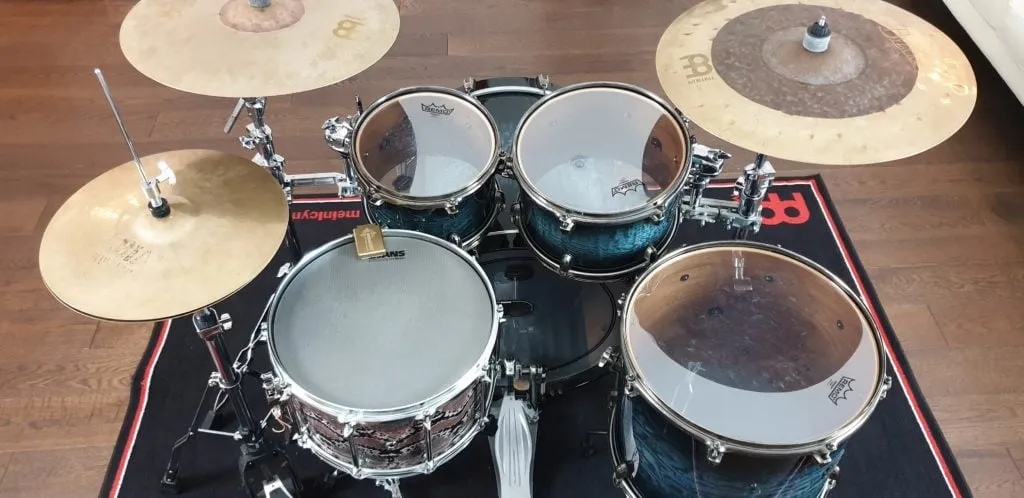
This picture shows the cymbals of a traditional drum kit
From left to right:
- Hi-hat
- Crash
- Ride
Next, let's go through what these cymbals are like and what they're used for
Hi-hat
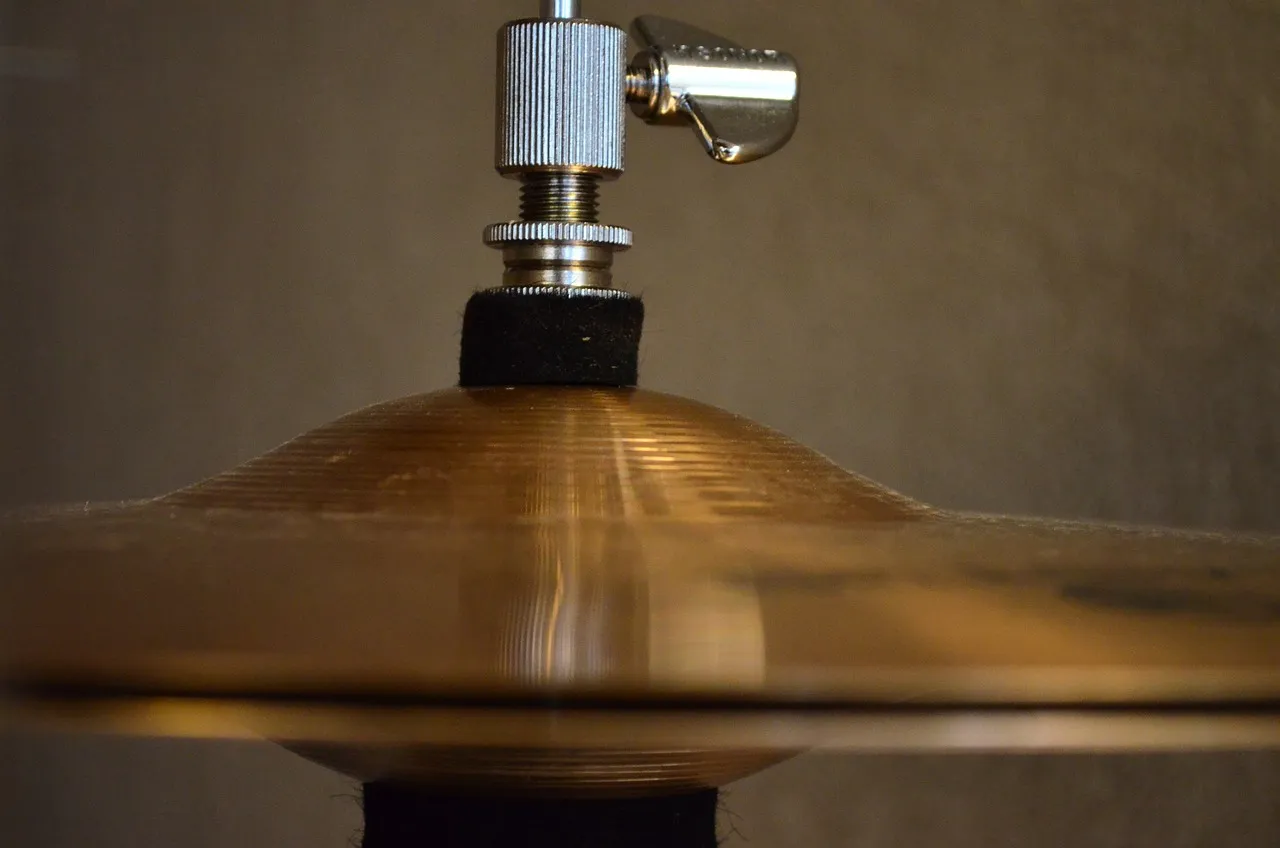
The first cymbal, which you'll find in practically every drum kit, is called the hi-hat. In Finland people may also call it "haitsu" or "haikka".
The basics
The hi-hat sits on the drummer's left-hand side, unless the drummer is left-handed and the kit is set up as a mirror image, in which case the hi-hat is on the right.
A hi-hat has two separate cymbals on top of each other (top and bottom). The most common hi-hat diameter is 14 inches (14").
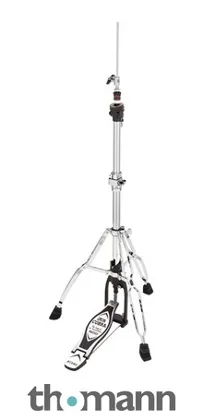
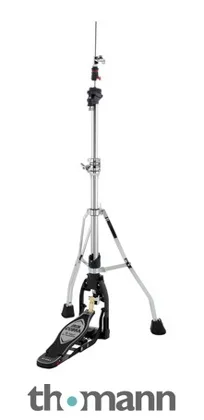
Unlike other cymbals, the hi-hat has its own different kind of stand with a pedal.
What it's used for
The hi-hat is the most common "groove cymbal", and it's used most of the time.
When the hi-hat pedal is pressed all the way down with your foot, the hi-hat is closed and gives a short sound. When you lift your foot off the pedal, the hi-hat is open. There's a little space between the top and bottom cymbals, and you get a bigger, wider and "rougher" sound from the hi-hat.
You can also play the hi-hat with just your foot, because pressing the pedal makes a sound when the cymbals hit each other.

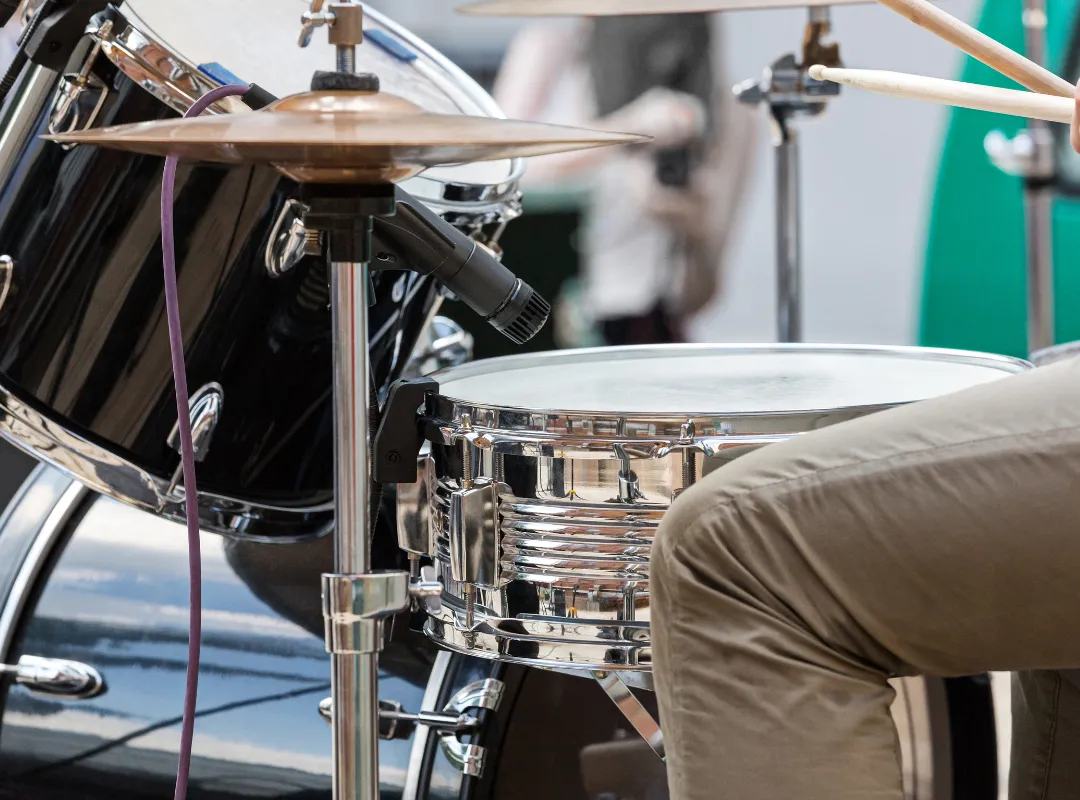
Hi-hat on electronic drums
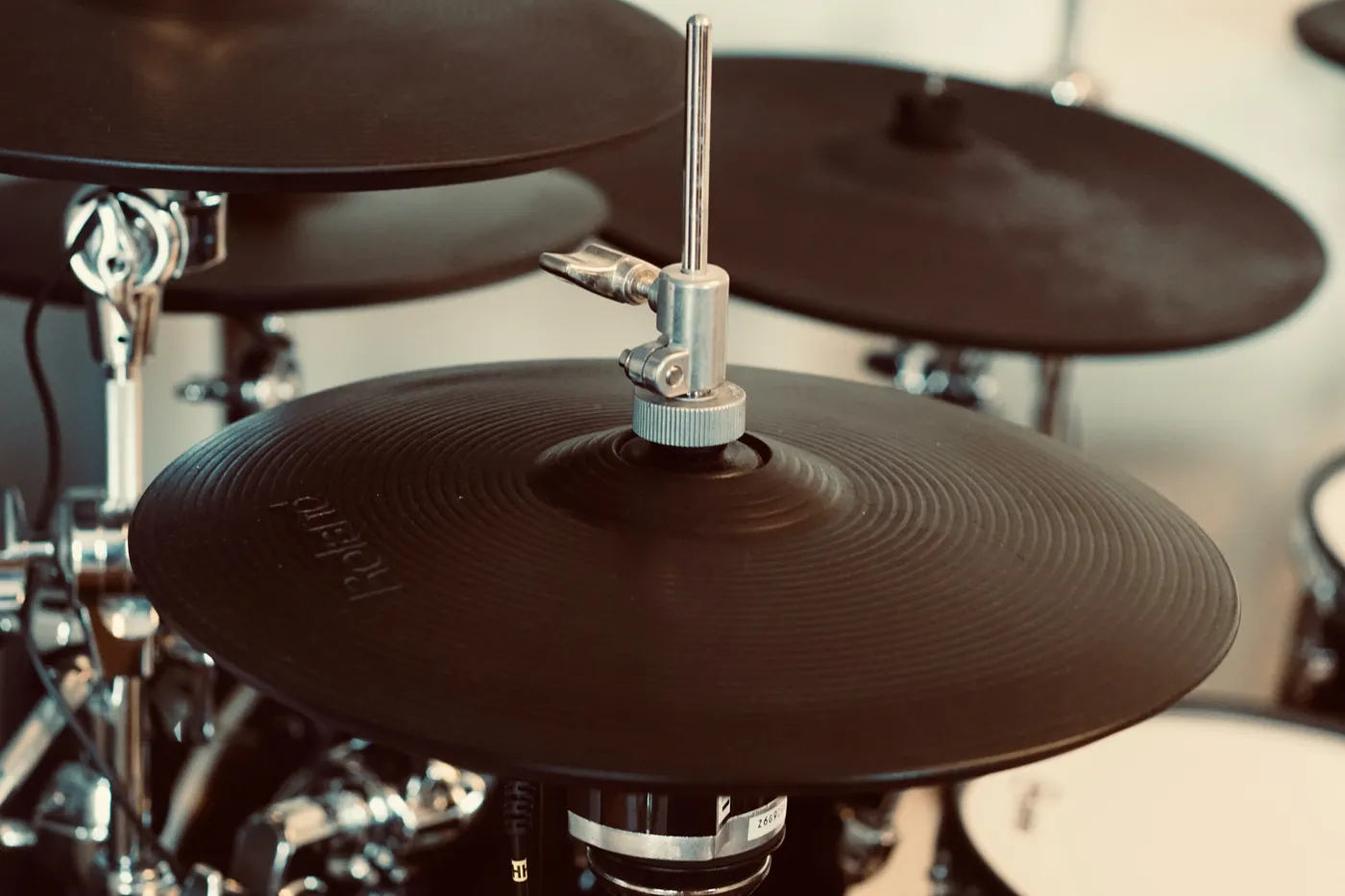
On electronic drums, the hi-hat usually has just one cymbal, but you can still play the hi-hat open or closed with the pedal. On cheaper kits, the pedal isn't attached to a stand but is a separate pedal on its own.
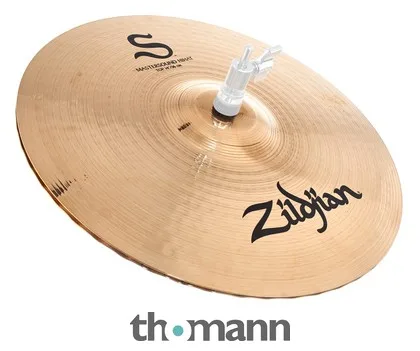
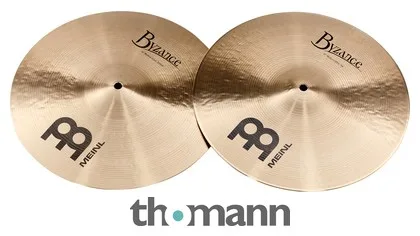
Hi-hat & stand - options
Crash
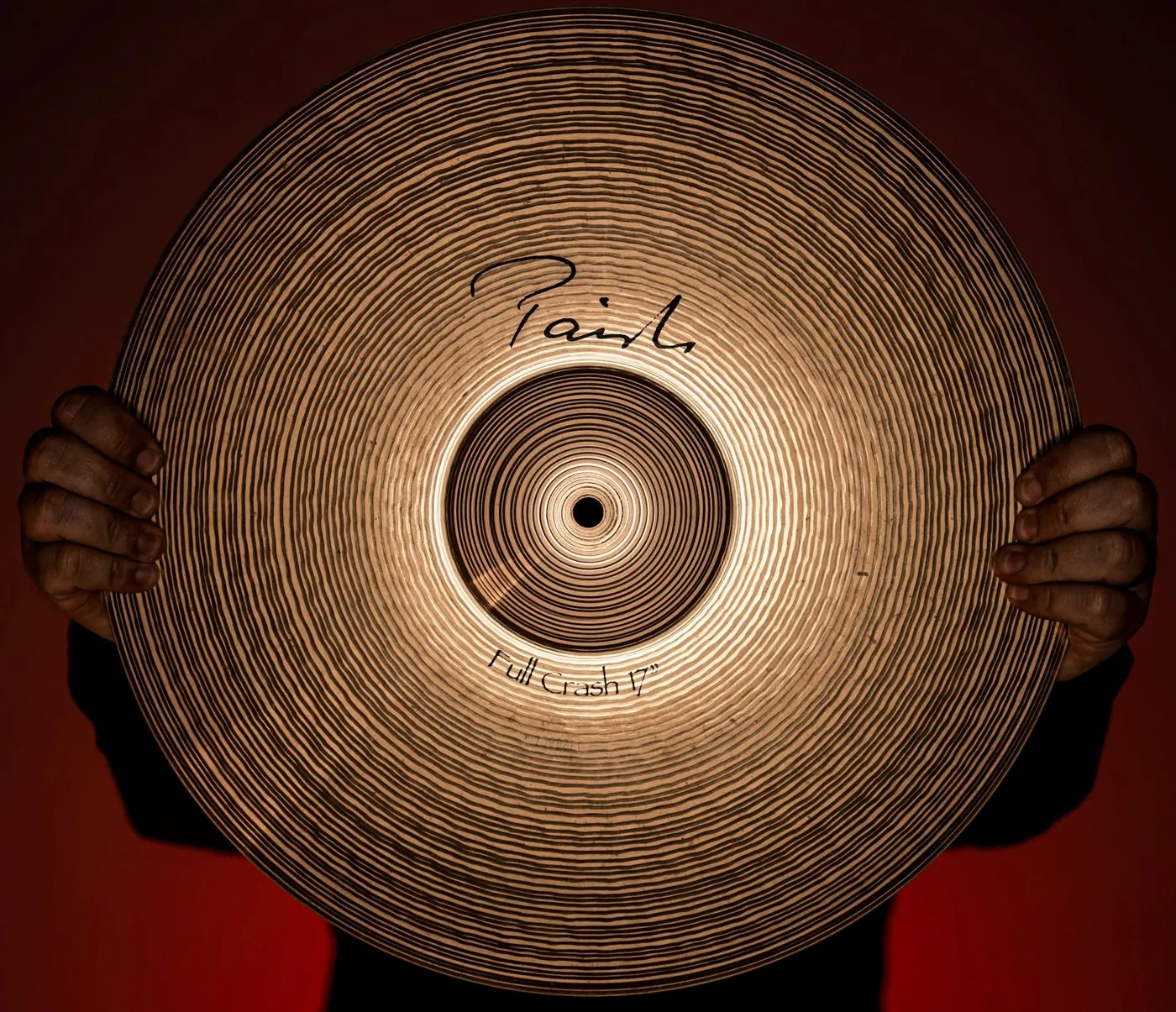
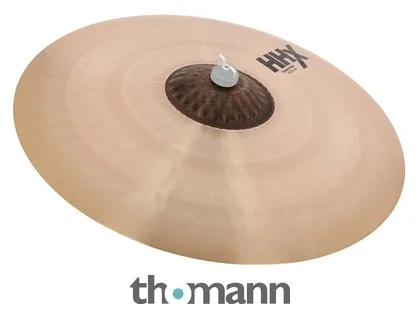
The second common cymbal you'll usually find in a drum kit is called the crash.
The basics
A crash is usually 16-20" in diameter, but often at least 18", especially when playing rock. Kits often have more than one crash, each with a slightly different sound. You play the crash with the "shoulder" of the stick, meaning the side, on the edge of the cymbal.
Besides diameter, crashes also vary in weight, for example, which affects how easily the crash speaks and how long the sound lasts after you hit it. The most common deciding factor when choosing a crash is simply the sound you want.
The crash usually sits above the hi-hat or to the right of the floor tom, depending on how many cymbals you have.
What it's used for
The crash is one of the so-called accent cymbals, and it's usually played on accents and when the song moves to a new section, for example on the first beat of a new section after a fill. Of course you can also play grooves on the crash, and in metal, for example, people often do.
Crash - options
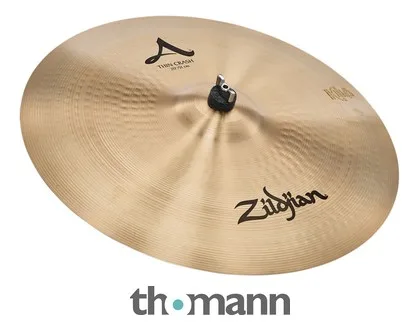
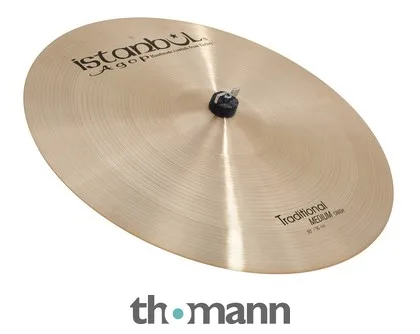
Ride
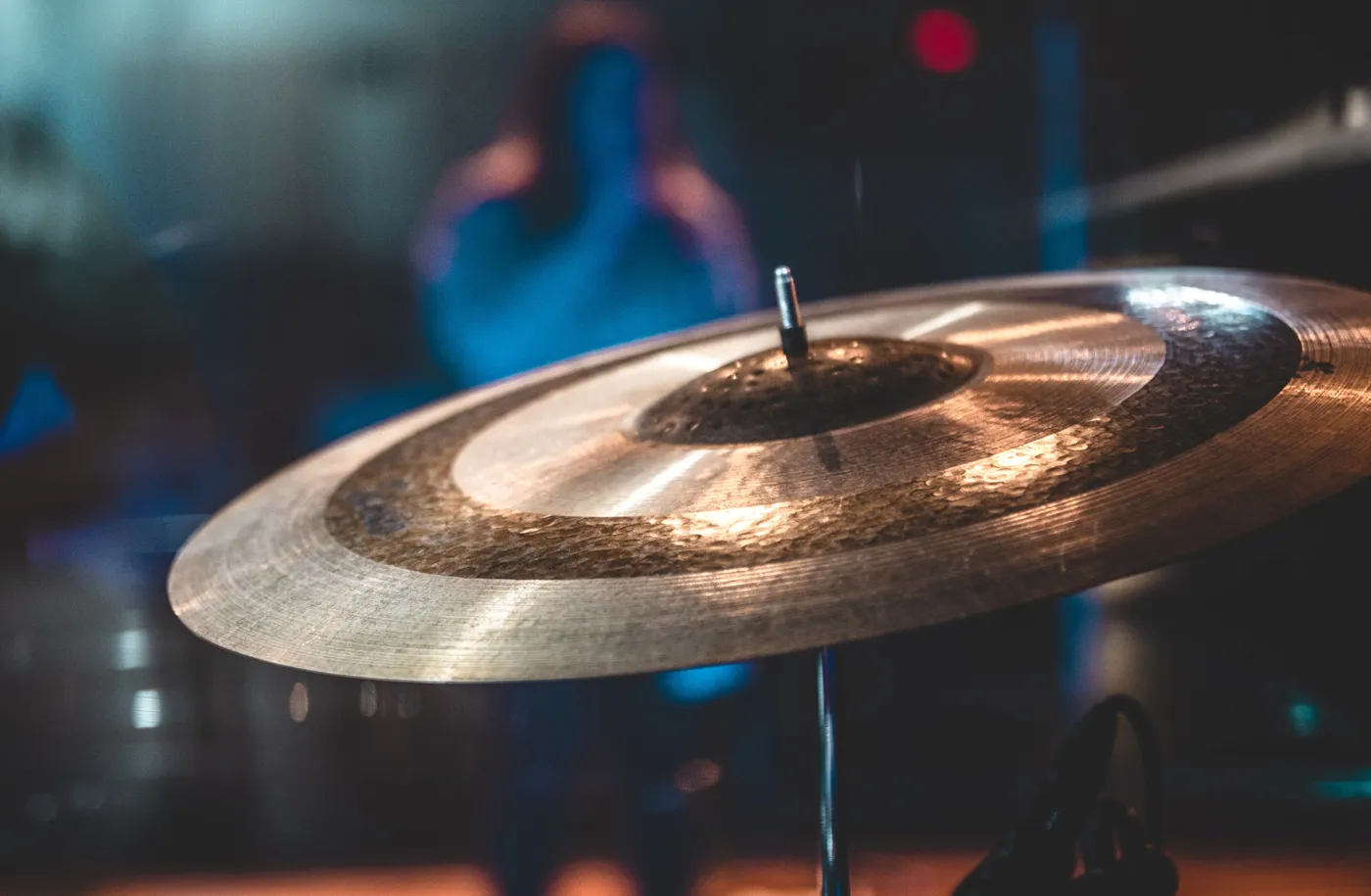
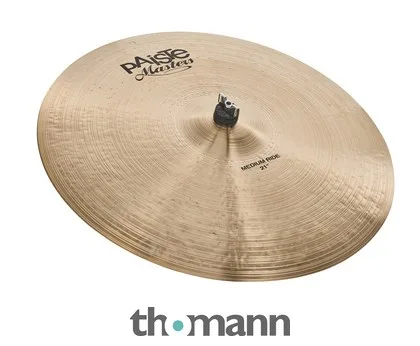
The third common cymbal is called the ride.
The basics
A ride is most often 20-22" in diameter, but there are also 24-inch rides, so it's often the biggest cymbal in the kit. You usually play the ride with the tip of the stick on top of the cymbal, but you can also play it like a crash, with the shoulder of the stick on the edge of the cymbal, in other words by "crashing" it.
From the drummer's point of view, the ride usually sits to the front right, above the second rack tom, or next to the floor tom on the right.
What it's used for
Like the hi-hat, the ride is a groove cymbal, so it's often used in grooves rather than for single hits like the crash. In a basic textbook song, for example, you might play the verses on the hi-hat and the choruses on the ride.
Ride - options
Recap
Those were the most common cymbals of a drum kit: hi-hat, crash and ride. Watch videos of different cymbals and brands on YouTube and find the options that fit your needs and your budget.
You can also buy cymbals as a set, but if the set is very cheap, remember that the quality of each individual cymbal might not be much to write home about.
Even though cymbals are really expensive, don't panic. A cheaper set is fine for getting started, and your ear might not even tell an affordable cymbal from a pricier one. Once a certain sound starts to bother you, you can always upgrade your cymbals to the next price range.
And again, it's a good idea to buy cymbals used.
Watch the video below to see how cymbals are made.