 Tasodrums

Snare basics
The snare drum is one of the most important drums in a kit, since you play it practically all the time. The snare is different from the other drums because it has snare wires on its resonant head, and they give the snare its distinctive sound. Without the snare wires it sounds just like any other drum. The snare wires are controlled with the snare strainer. More on that at the end of the post.
Your snare doesn't have to match the rest of the kit. The choice depends on your own needs and wishes, and a bit on the style of music you play too (more on that below).
When there are lots of options, it's easy to get stuck choosing. In this post we'll go through ways to think about what kind of drum fits what you need.
1. Diameter and depth
Let's start with what the drum looks like, because that's an easy place to begin narrowing down the options that fit you.
Drum diameter
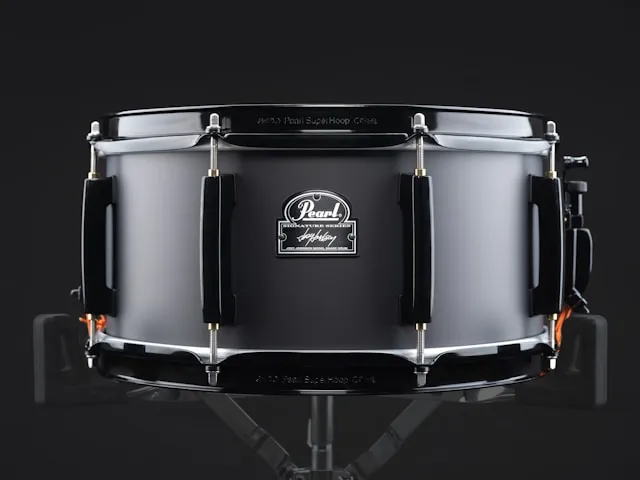
A basic snare is 14 inches (14") in diameter. You can't go wrong buying a snare this size.
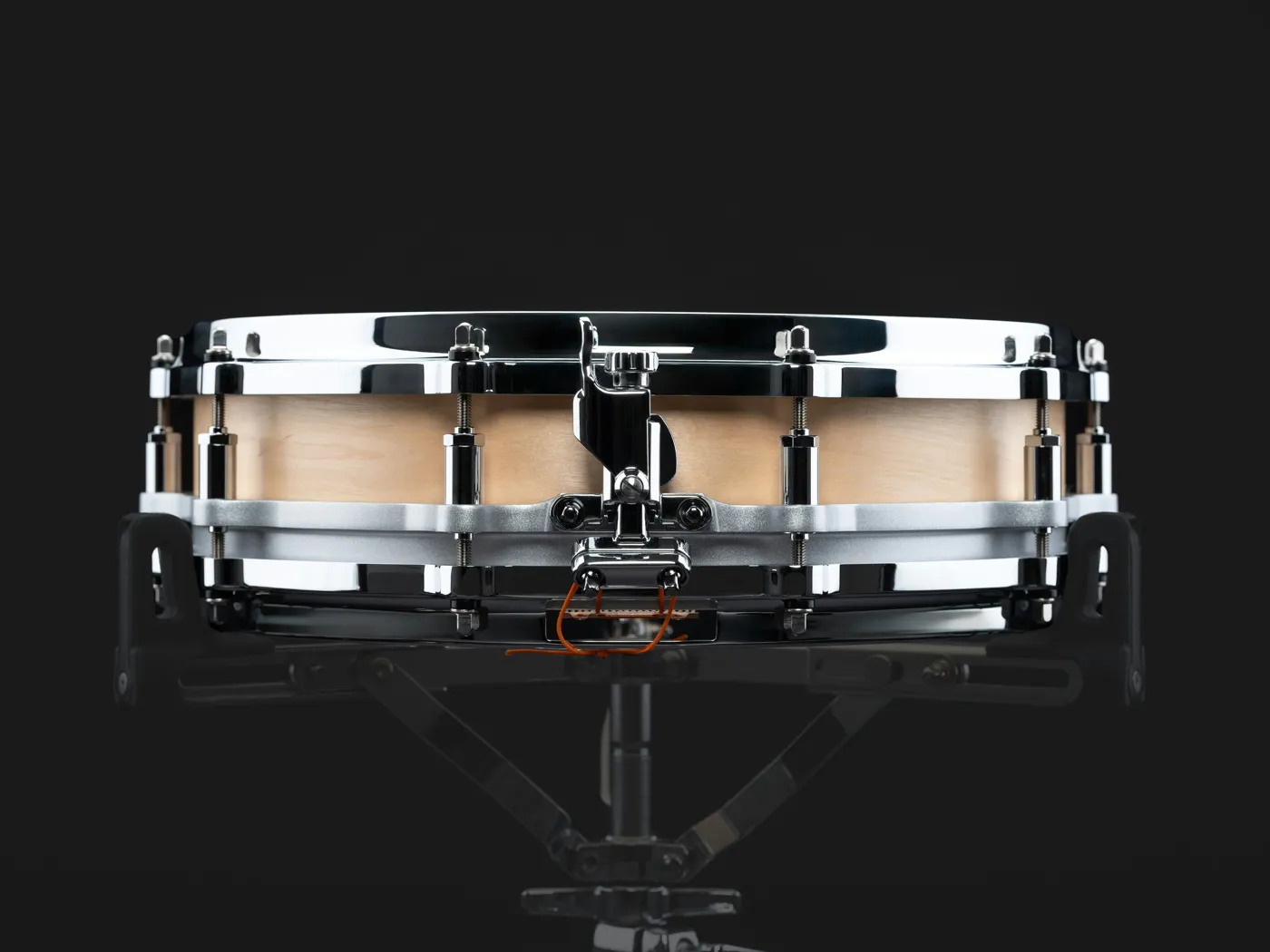
There are also smaller "effect" snares, 10–13 inches in diameter (for example a popcorn snare). A smaller drum naturally has a higher pitch, so these drums have a tight, high-pitched and cutting attack with short resonance and precise articulation. Because the head has a smaller surface area, the drum doesn't sound as loud or as deep as bigger snares.
Drum depth
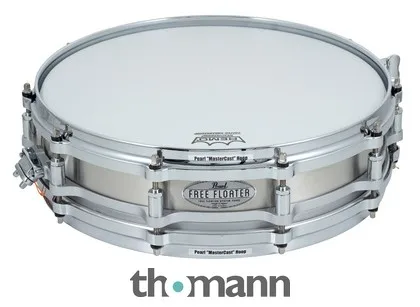
- A shallow snare (3"–5") sounds bright and cuts through the mix well. It responds quickly, so it works especially well for funk, jazz and hip-hop.
- Standard depths (5"–6.5") are versatile and balanced, so they're commonly used in pop and rock.
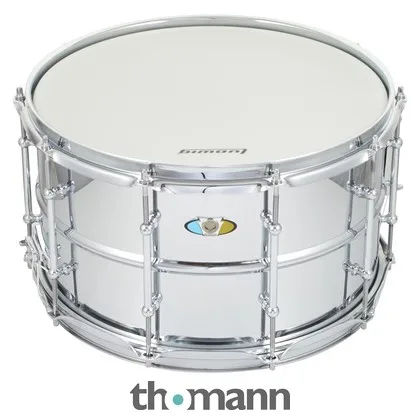
- Deep snares (7"–10") give a fuller and more powerful sound with more sustain and low end. They suit heavier music, like rock and metal.
2. Shell materials
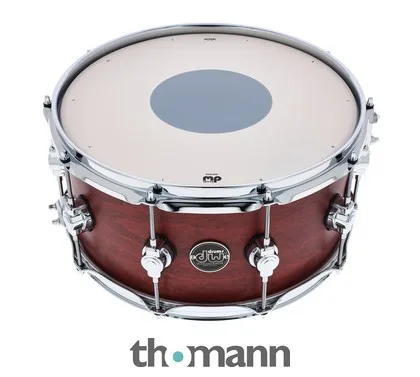
Snare drums can be roughly divided into three categories by material: wood, metal and other materials.
Wood
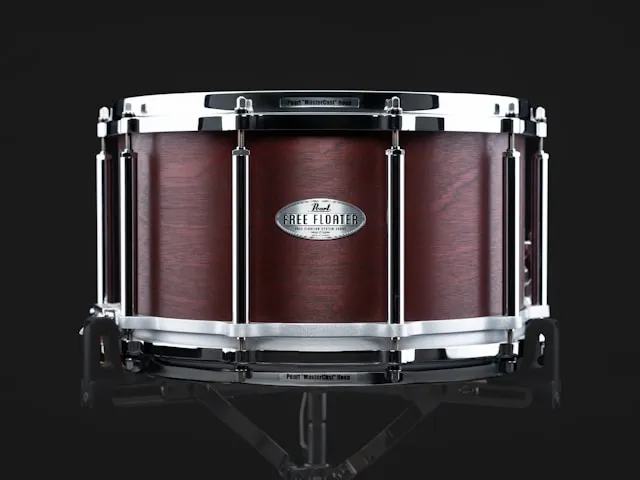
- Maple: Gives a warm, full and balanced tone. Especially popular for studio recording.
- Birch: Gives a bright and punchy sound with good attack. A versatile material that works in many styles.
- Oak: Gives a deep and rich low end. A heavy material with good projection.
- Mahogany: A warm and soft tone with fewer overtones. Especially good for jazz and fusion.
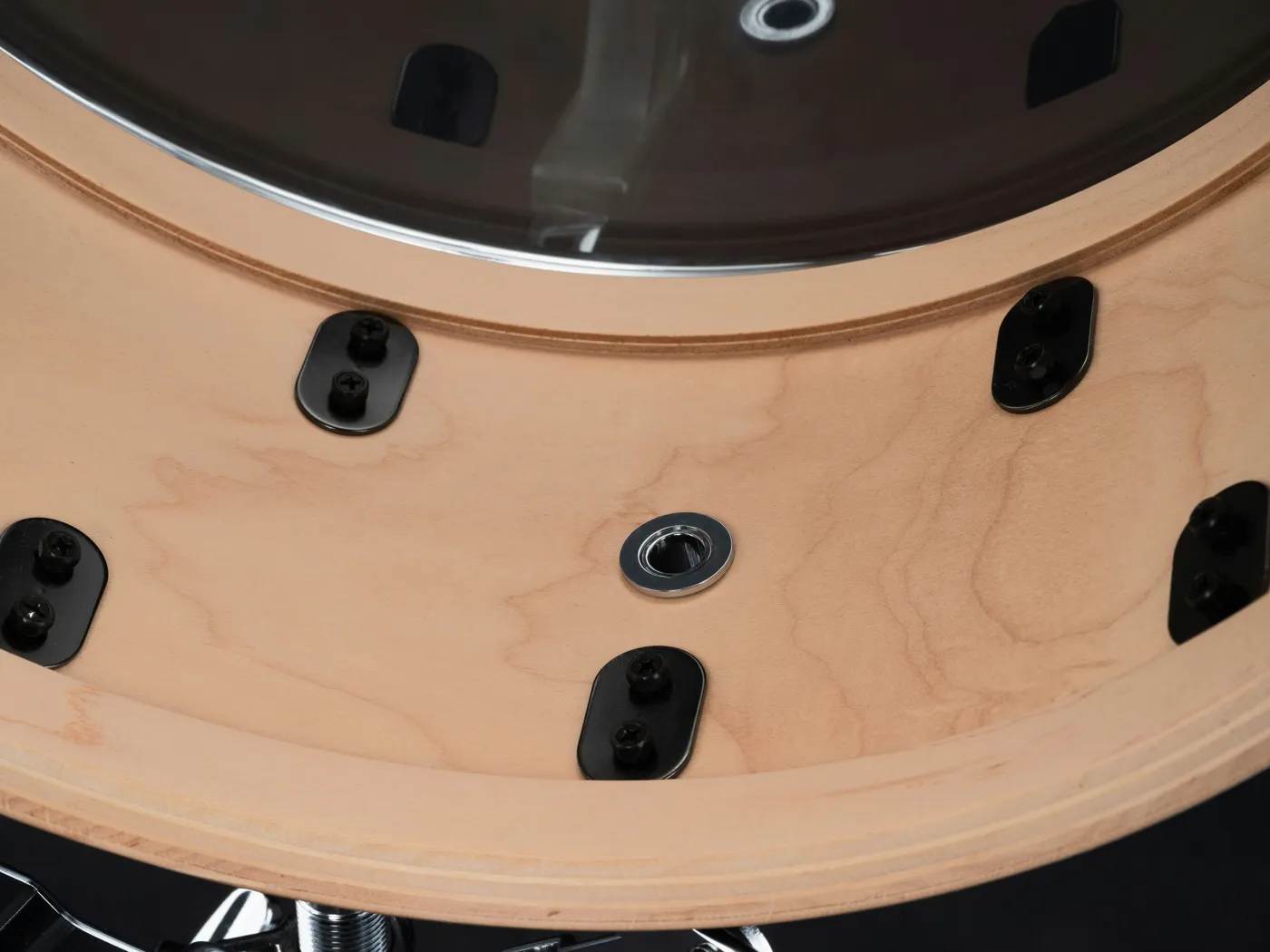
Wood ply combinations
Lots of wood snares are also made as combinations, meaning several different woods are used in one drum. Ply combinations vary by brand and model, but here are a few popular ones:
- 100% birch: Typically 6-9 plies of birch. Gives a bright sound that stands out, with good attack.
- 100% maple: Usually 8-10 plies of maple. Gives a warm, full tone.
- Birch-maple combination: Often 2-3 plies of maple on the inside and 4-6 plies of birch on the outside. Combines the attack of birch with the warmth of maple.
- Mahogany-poplar combination: Most often 2 plies of mahogany on the outer and inner surfaces, and 4-6 plies of poplar in the middle. Gives a warm, vintage-style tone.
- Birch-mahogany-birch: A three-layer build with a mahogany layer between the birch layers. Gives a balanced, warm but clear sound.
There are of course more unusual combinations too, but they're not relevant for this post. You can find out more about them by googling (or by asking ChatGPT).
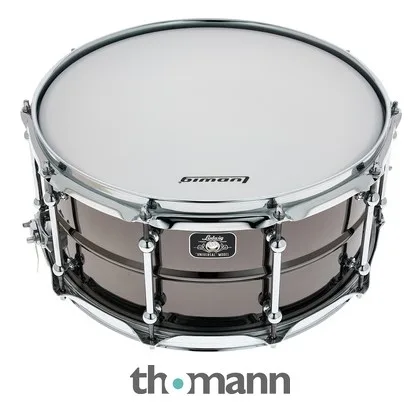
Metals
- Brass: Gives a bright, sharp and piercing sound. Popular in rock and funk.
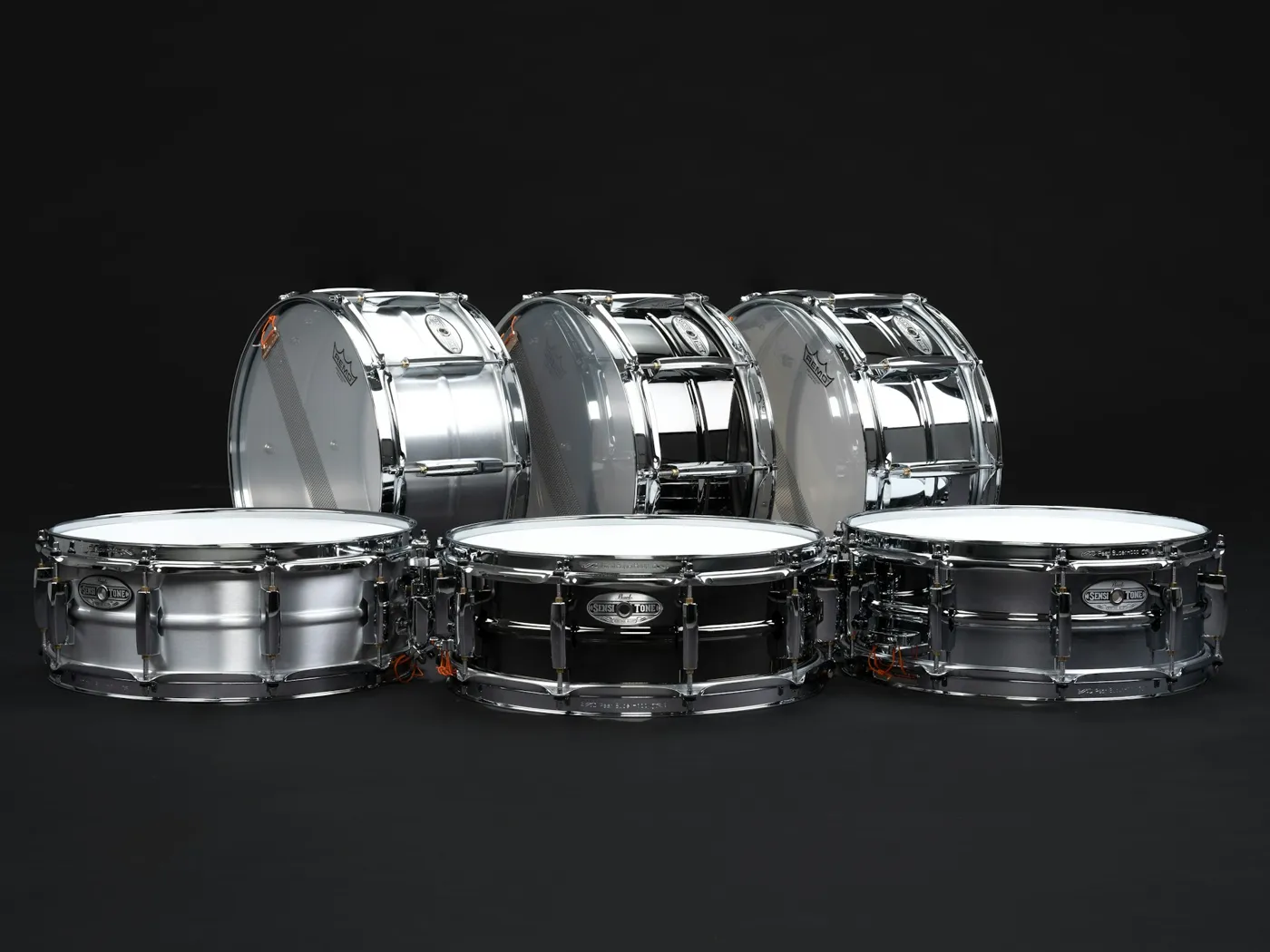
- Aluminum: A light material that gives a bright sound that stands out. Good attack and midrange tone.
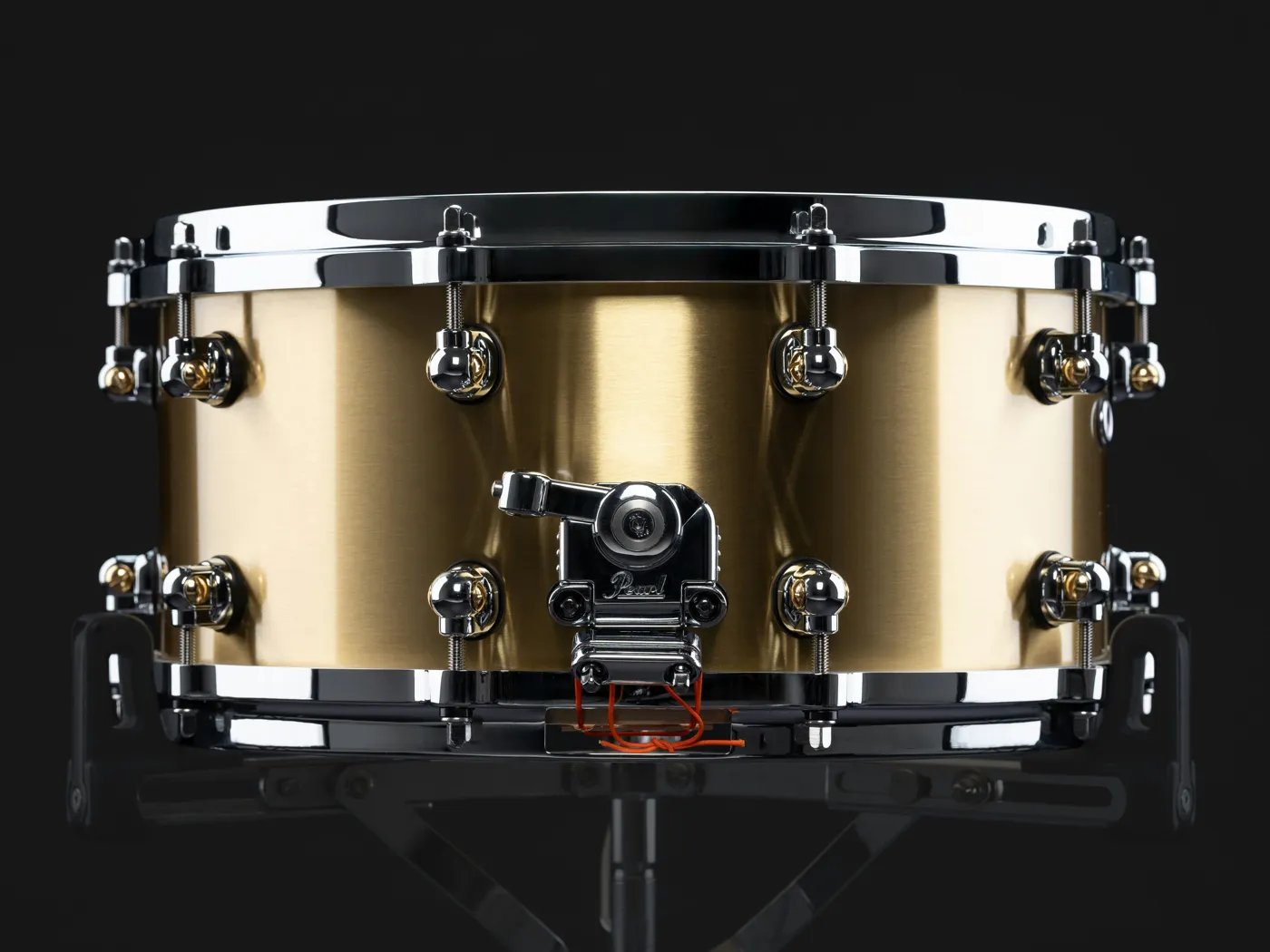
- Bronze: A warm, fat tone with rich harmonic content. Combines the warmth of wood with the sharpness of metal.
- Steel: A very bright and cutting sound. High volume and clear attack.
Other materials
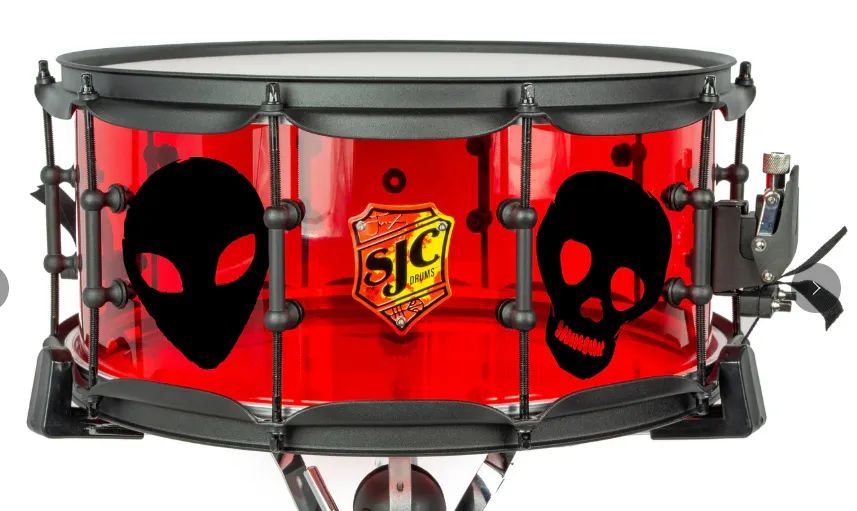
Acrylic/Plastic: See-through drums give a bright and explosive sound with strong attack and less sustain.
Carbon fiber: A modern material that gives a tone that really stands out, plus durability.
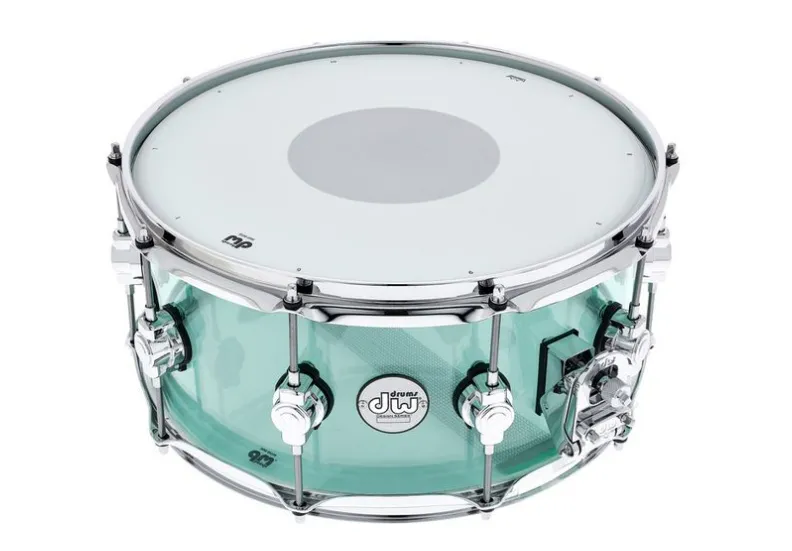
DW Design 14"x6,5" Sea Glass Sn. - Acrylic
3. Brands
All the biggest drum brands also make snares. The brand doesn't necessarily matter, except that once you find a brand you like, you'll want to keep playing it. On the other hand, sometimes a certain maker's snare just fits your budget and needs best.
Well-known brands include DW (Drum Workshop), Ludwig, Pearl, Yamaha, Mapex and Gretsch.
More info for those who want it: The details make the difference
One snare costs 200 euros and another costs 6000 euros. Yet on the surface they're very similar instruments. Where does the price of the more expensive drum come from? Put simply, it comes down to the quality of the materials and parts.
Materials
We already talked a bit about materials earlier: the shell's wood ply combinations and other choices affect the price of a snare. The more, pricier or more unusual combinations or materials are used, the higher the price naturally climbs.
Tension rods
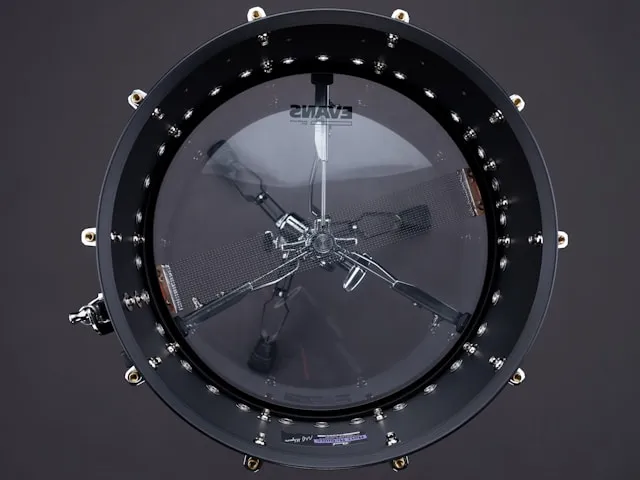
The tension rods keep the snare head tight and directly affect the snare's tuning. High-quality rods, like steel or brass ones, keep the tuning stable and last a long time. Cheaper drums usually use lower-quality tension rods and other metal parts.
Hoops
The hoops surround the snare head and affect how the snare sounds. Die-cast hoops are stiff, so they keep the tuning stable and give a drier, more focused sound and snappy rimshots. Triple-flanged hoops, on the other hand, give a more open and brighter sound with more overtones.
Heads
Sometimes it might feel like the sound has just turned awful and it's time for a new drum. But in reality, often just changing the heads is enough to refresh a drum and even change its sound. Keep in mind that the snare's batter head can be anything, but the resonant head has to be a head made specifically for the bottom of a snare (snare side / snare resonant head), because it's very, very thin. If you put a regular head on the bottom of a snare, the snare wires can't do their job and the snare won't sound right. Read more about heads here.
Snare strainer and snare wires
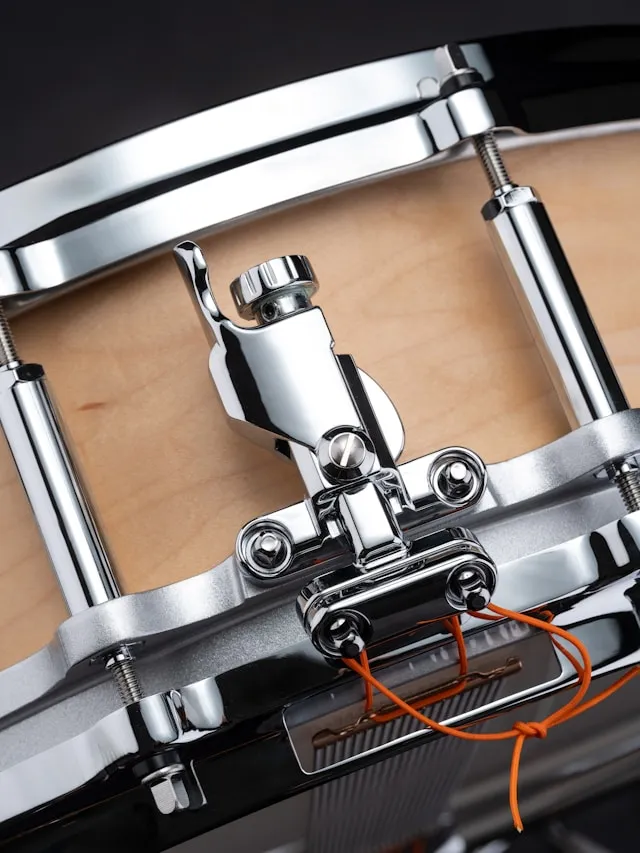
The snare strainer is the mechanism that tightens and releases the snare wires. A quality strainer works precisely and lasts, which lets the snare have that crisp, sharp sound. Cheaper strainers can be less precise and can loosen up with use, which makes the drum feel worse to play and hurts the sound quality. A good strainer lets you adjust the snare's sound the way you want and makes sure it stays in good shape for a long time.
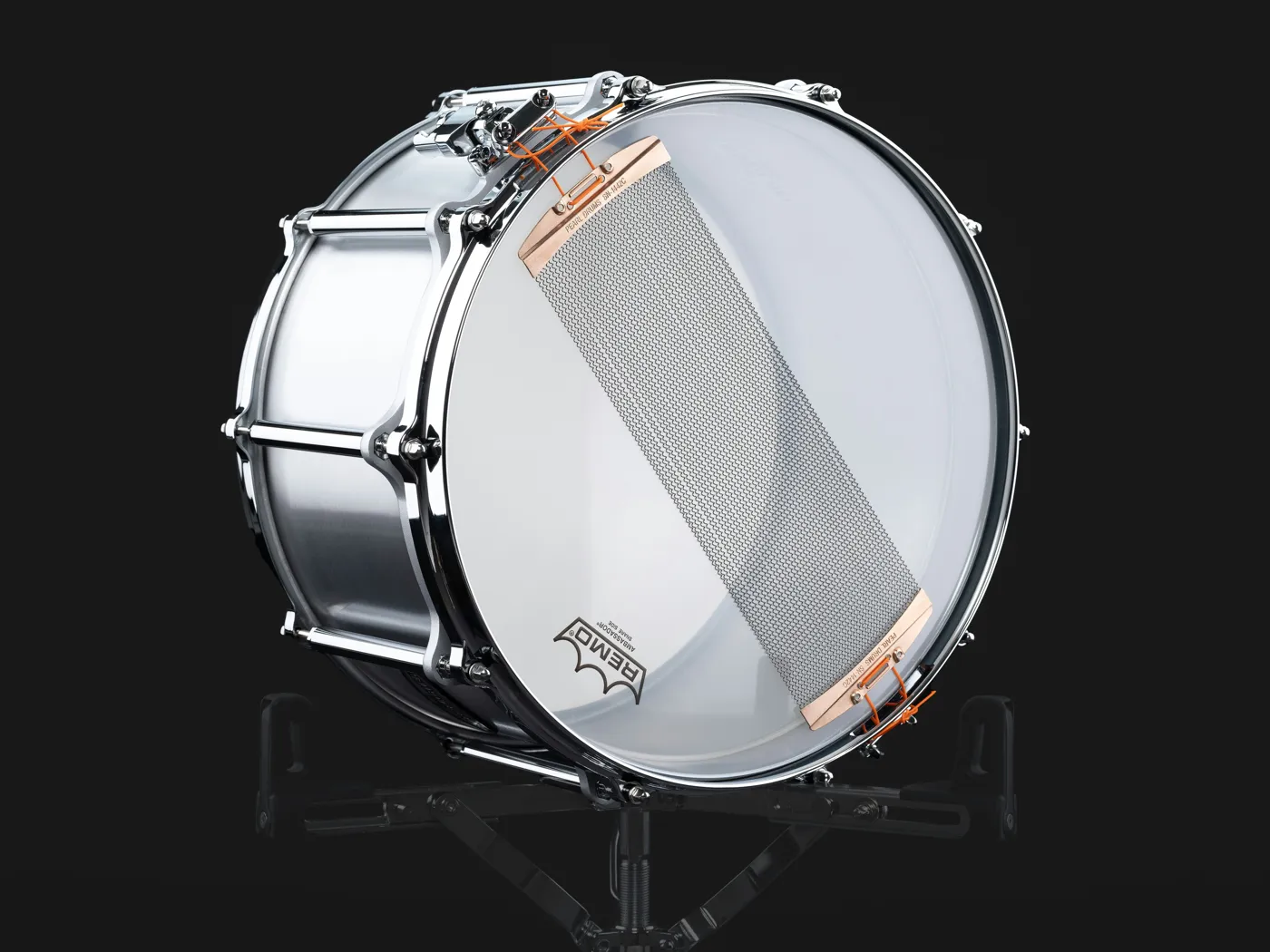
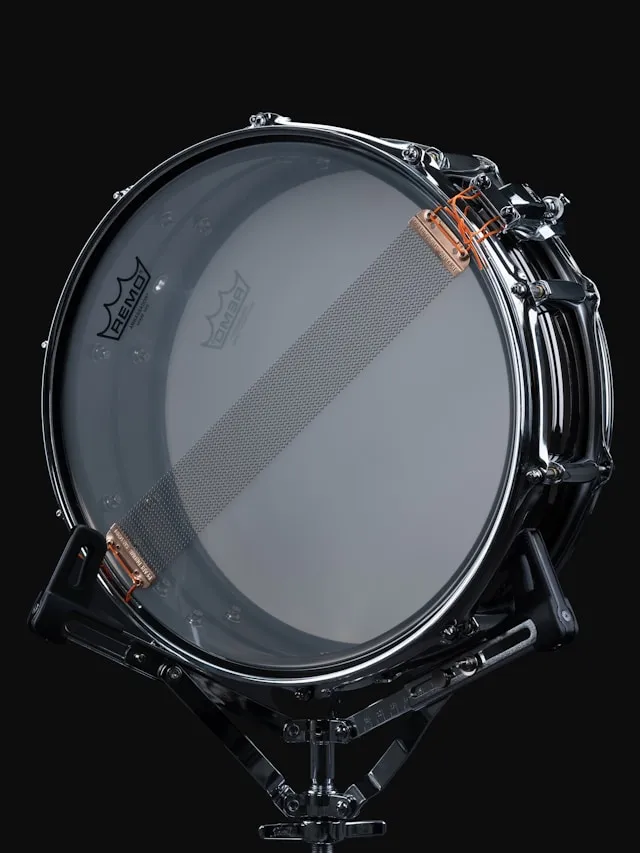
Snare wires also come with different numbers of strands. Fewer strands (12–16) give a drier, sharper and more clearly articulated sound that suits dynamic and fast playing styles. More strands (20–30) give a fuller and buzzier sound, where the snare wires ring longer and respond more easily.
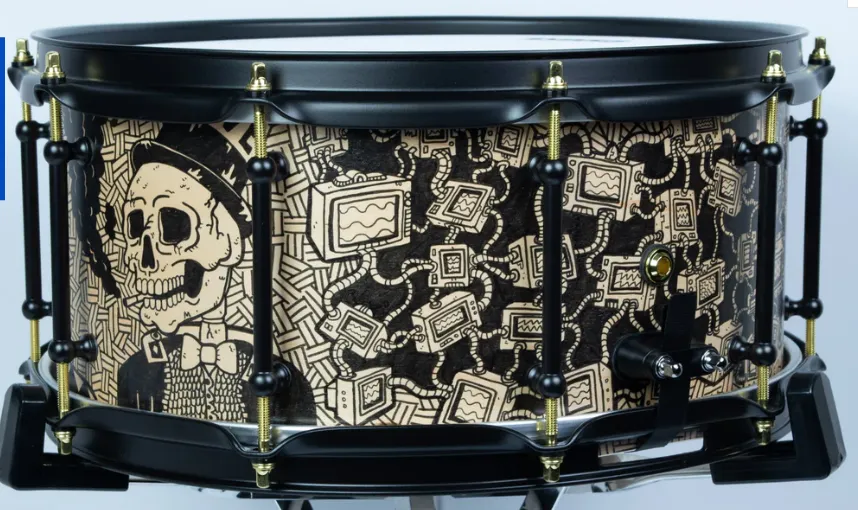
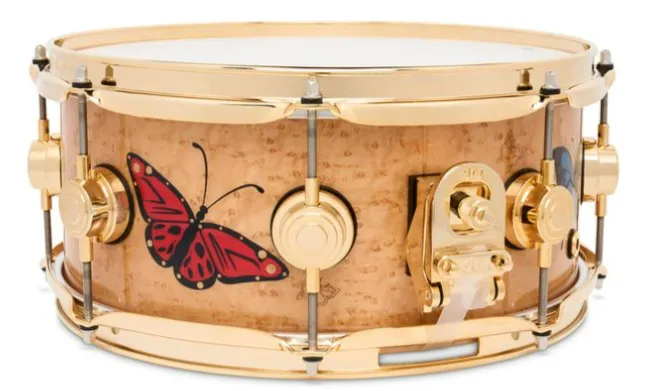
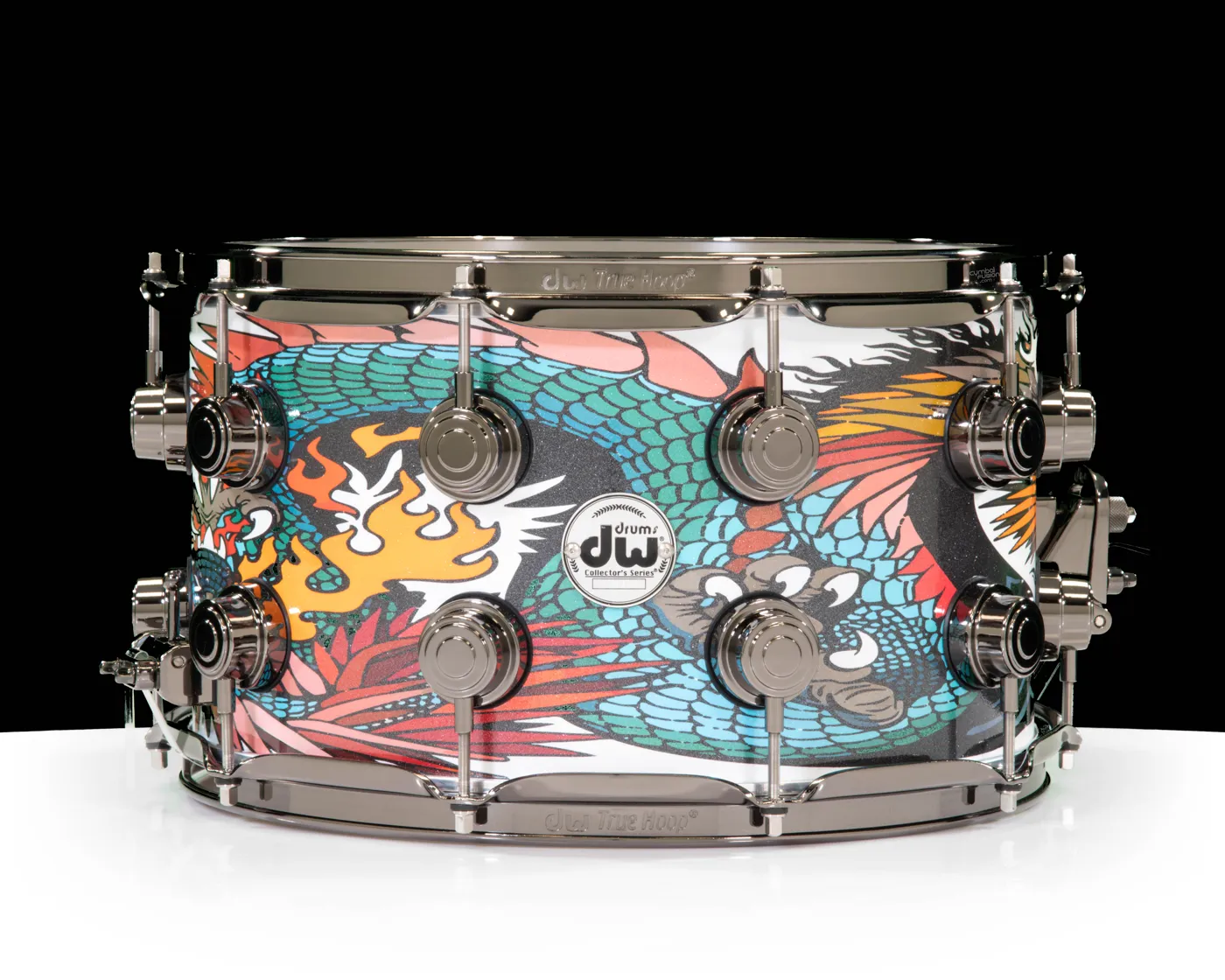
You can get creative with your snare too!
The great thing about the snare is of course that since it's its own separate instrument, you can get any kind of drum you want, the pride of the whole kit: the snare!