 Tasodrums

Why you need to pay attention to your heads
Drumheads make a big difference to the sound of an acoustic kit. Bad, "played-out" heads make even an expensive kit sound bad, and in the same way, new and well-tuned heads make a cheap kit sound expensive.
That's the main reason to change and tune your heads, but on top of that, it's good to keep in mind that not every head can give you every kind of sound. It's good to know the characteristics of different heads, so it's easier to try new options and find the heads that work best for your own kit and the styles of music you play.
In this post we'll go through different types of heads, heads from the best-known manufacturers, and other tips for changing heads.
Drumheads 101
Drumheads can be roughly split into four categories: two based on the surface and two based on the thickness.
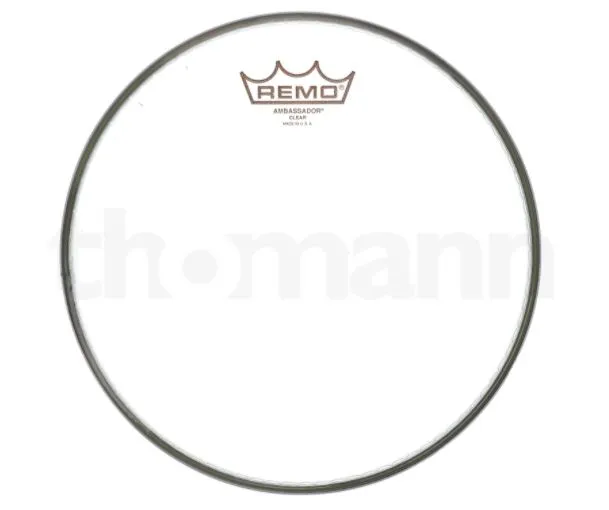
Clear
A clear head gives an open, bright sound, and the note rings longer. These heads work for every style of music, but they're used a lot in metal, for example, when you want a good "attack".
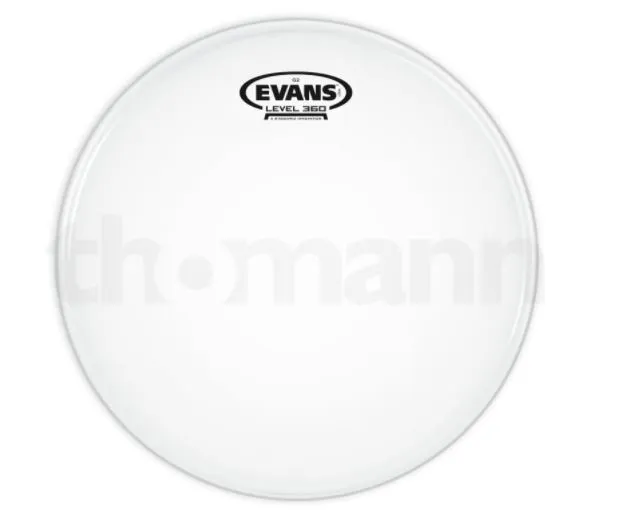
Coated
A coated head, on the other hand, is deeper, warmer and resonates less. A coated head has fewer overtones, the note rings for a shorter time, and it's easier to get a nice "fat" sound out of it.
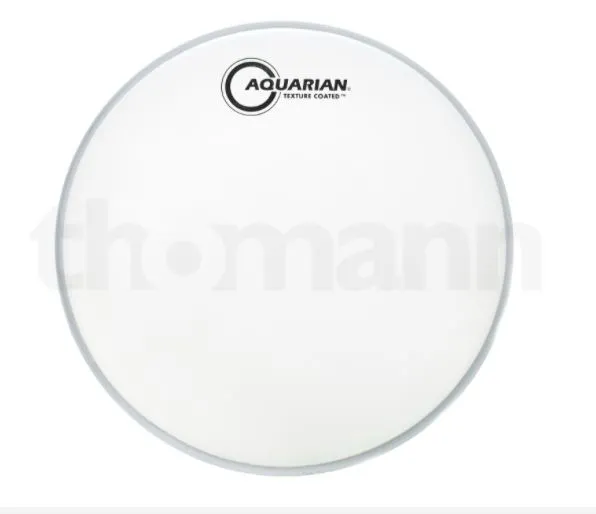
Single-ply head (Single Ply)
A single-ply head is the most commonly used head. It's usually 7, 7.5 or 10 mil thick (mil = a thousandth of an inch, so 10 mil is about 0.25 mm). The thinner the head, the more overtones and brightness it has.
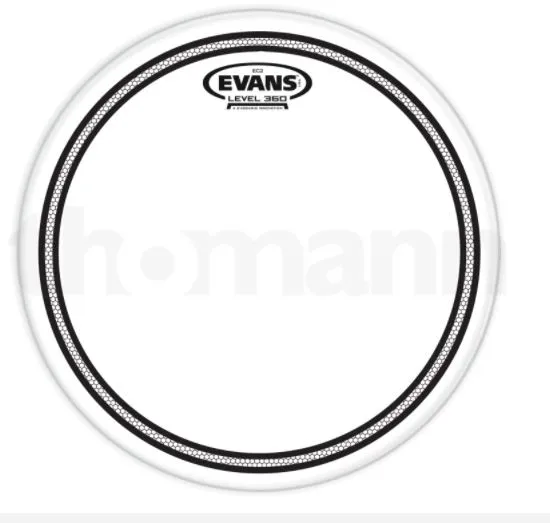
Two-ply head (Double Ply)
A double-ply head, as the name says, has two layers of film on top of each other. Two-ply heads give a deeper, more controlled sound. Two-ply heads are also more durable than single-ply heads.
Remember to take care of both the batter and resonant heads
A drum has two heads, and both of them matter
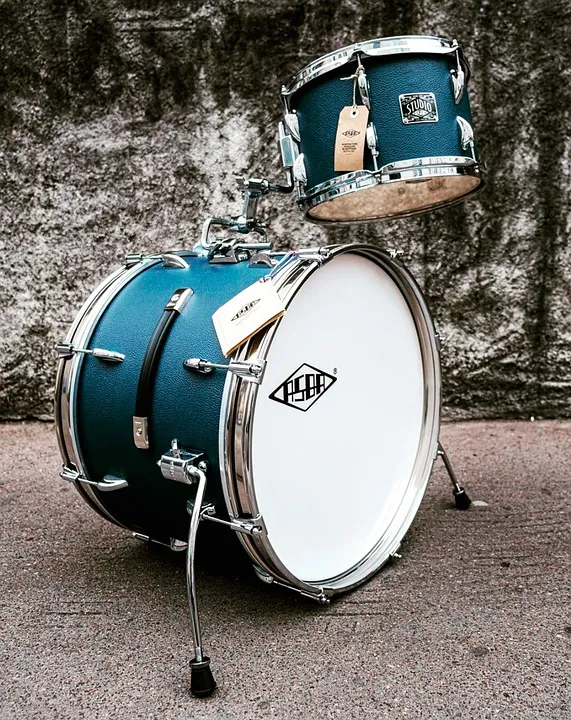
When you hit the batter head, the air moving inside the drum makes the resonant head vibrate too. That's why the resonant head plays a big part in the final sound, especially in how long the drum rings. This tends to get forgotten a lot.
Remember to pay attention to both heads when you buy new ones. Since the resonant head doesn't get hit, it lasts longer than the batter head, so you don't need to change it as often.
Top head: Batter head
Bottom head: Resonant Head
+ Snare and bass drum heads
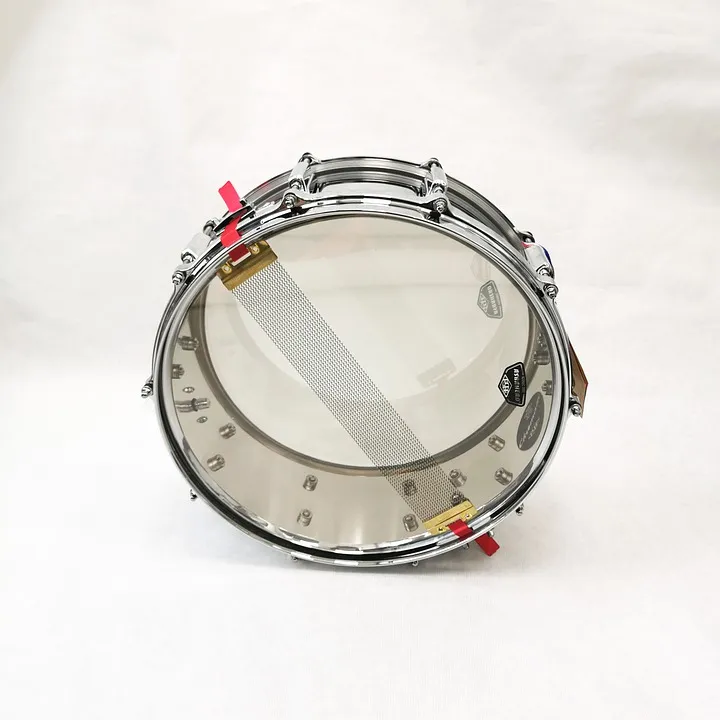
A snare has a thinner resonant head
The snare's batter head can be the same as on the tom-toms, but the resonant head is special, because it's really thin. The snare wires, which give the snare its typical rattle, touch the resonant head. So if the head is thick, it can't make the wires vibrate easily, and the snare's typical sound goes missing.
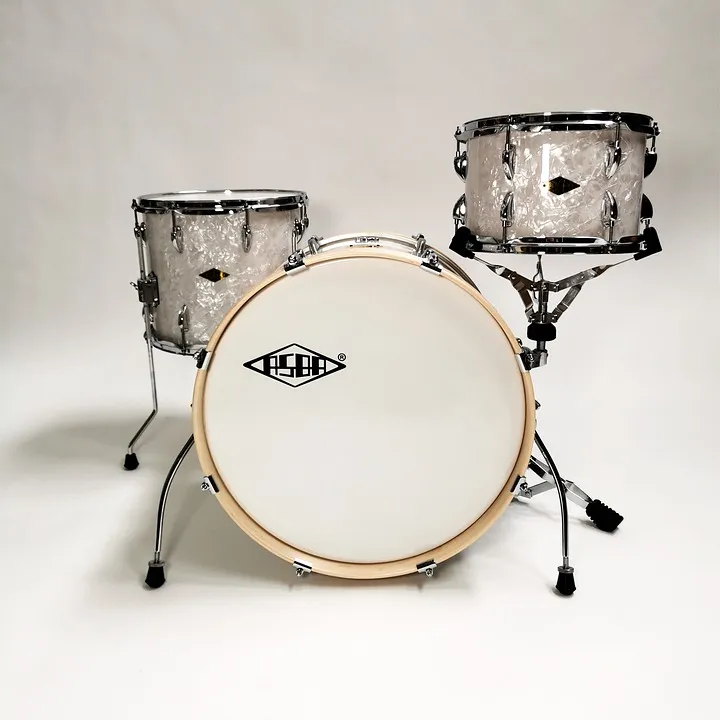
Bass drum heads
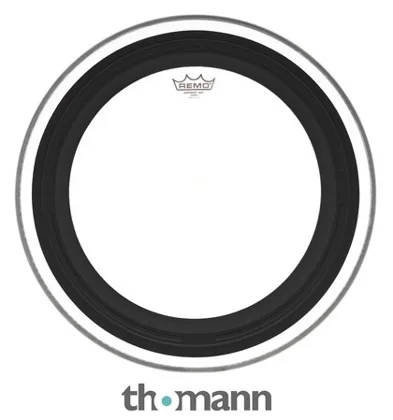
On a bass drum, the batter head is the head the pedal's beater hits. The front head is the head the audience sees (in the picture).
Drumhead manufacturers and options
The most popular head manufacturers are Remo, Evans and Aquarian. Let's go through each manufacturer's drumheads and their most popular options, so you can make the purchase that suits you best.
You can buy heads either one by one or in head packs. A good basic rule is to keep the batter and resonant heads the same, but of course you can do it differently.
Quick question: What size heads should you buy?
The size of the heads depends on the size of your drums. If your snare is 14 inches, it takes a 14-inch head, and so on.
Standard sizes:
- Snare 14 inches
- Rack toms 10 and 12 inches
- Floor tom 14 or 16 inches
- Bass drum 20 or 22 inches
REMO
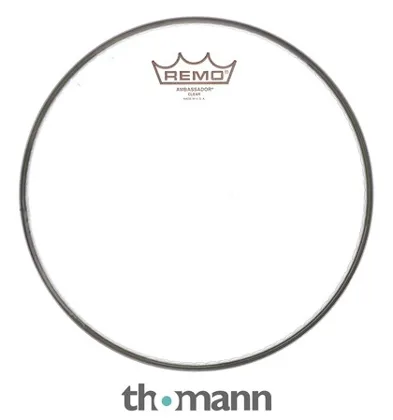
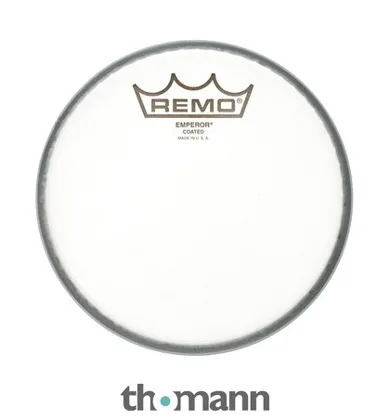
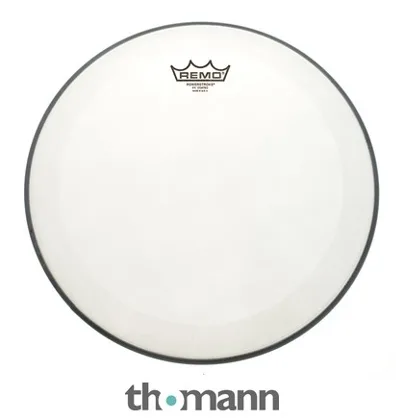
A good choice for the resonant head is the Ambassador Reso Classic
EVANS
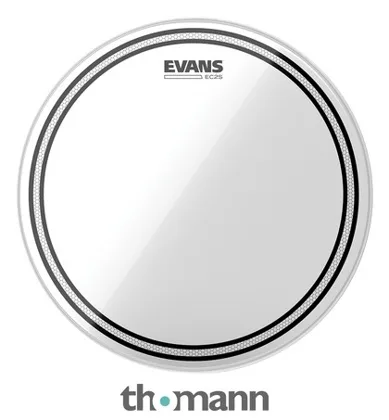
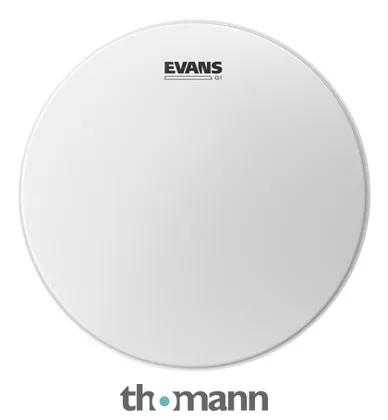
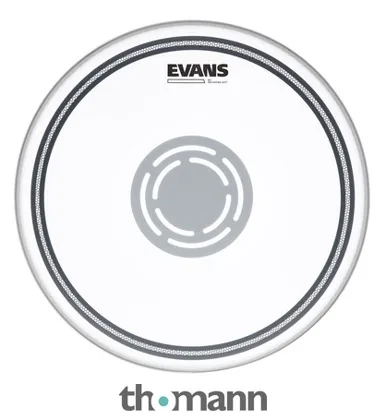
Check out options for the resonant head
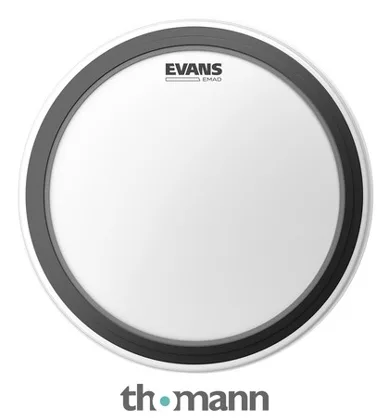
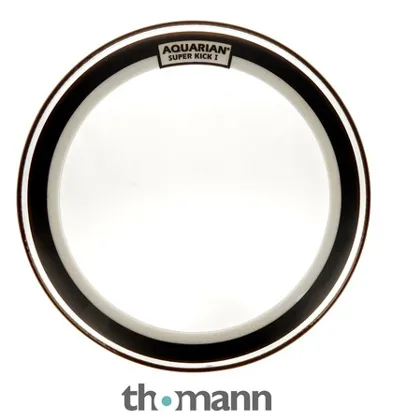
AQUARIAN
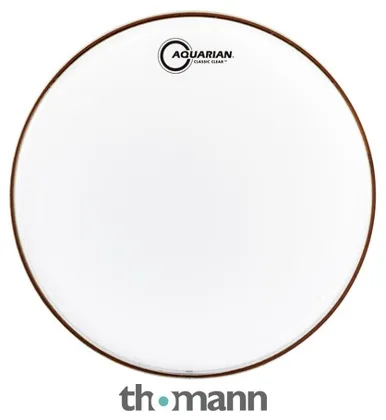
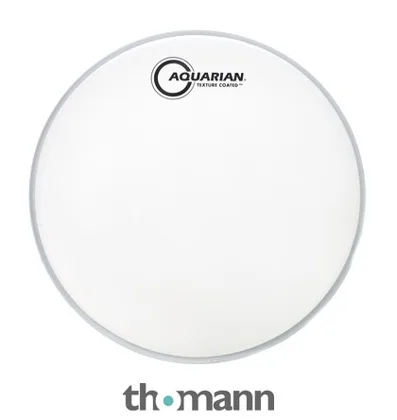
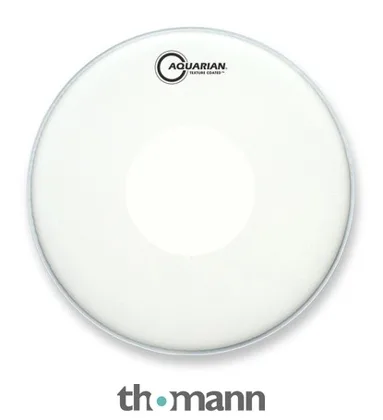
Options for the resonant head
How often should you change your heads?
How long a head stays playable depends on the head, of course, but also on the tuning and how much you play. Playing as a hobby, you can easily get by with the same heads for a year or more, while if you play live a lot, you might put new heads on every night.
A head stretches with use and doesn't go back. That's why it isn't really worth buying used heads: once a head has been tightened and tuned on a drum, it'll never be new again.
When you notice that the head hardly rings anymore when you hit it, and the sound is mostly a short "FLAP" kind of sound, the head is probably toast. A badly tuned head can also stretch unevenly and start making weird sounds, and then it's time to change it too. Also, if you can clearly see bumps and dents on the surface of the head, it's time to replace it.
You can easily test this by taking the old head off the drum, holding it by the edge with one hand and tapping the middle of the head with the other. Do the same with a new head and you'll definitely notice the difference.
How to change heads
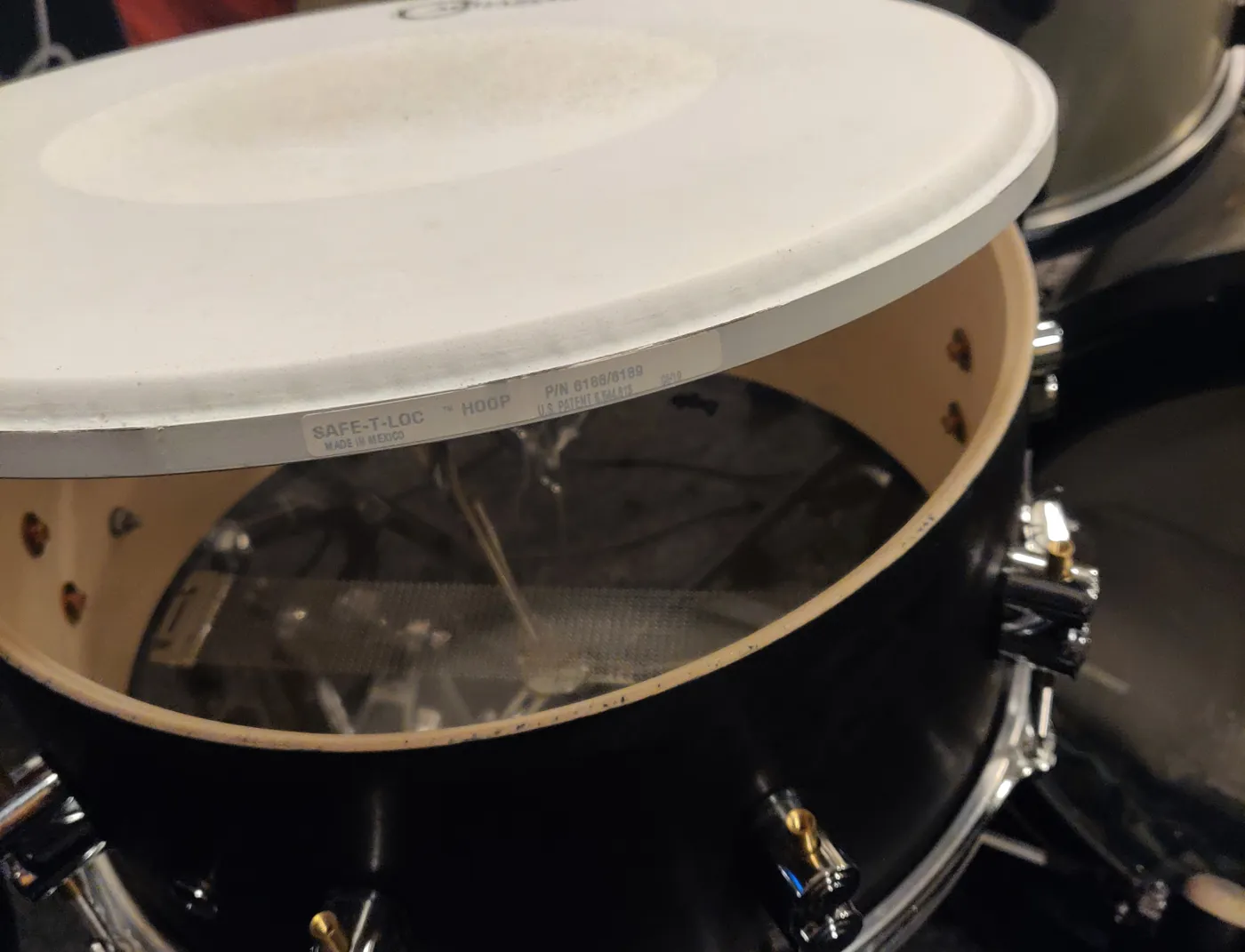
You change heads by loosening all the tension rods. After that the drum's hoop comes off, and you can take the head out from under it.
When you put on a new head, make sure it's centered on the drum and tune it evenly. More about tuning in the next blog post, which you can get to with the button at the end of this post.
Check out how to tune your drums in this post.
Should every drum have the same head? What about the batter and resonant heads?
A good middle ground is to have the same heads on top of every tom-tom and the same heads on the bottom. All the toms can also have the same batter and resonant heads.
The snare has either the same head or a different one, plus a thin resonant head. The bass drum also has different heads on the batter and reso sides.
Your first head purchase will probably be a safer one. You want a reliable solution that works, like Remo Ambassador Coated as the batter head on the snare and toms and Ambassador Clear as the resonant head on the toms. As you go along, though, it's normal to start trying different options, like:
- A different manufacturer
- A coated batter head and a clear resonant head
- A 2-ply batter head and a 1-ply resonant head
- A different head on the floor tom (sometimes you want a really dark and low sound on the floor tom, but it won't work on a small 10" tom, for example).
After you buy new heads, you still need to tune them. The next post talks about tuning your drum kit, so go ahead and check it out.