
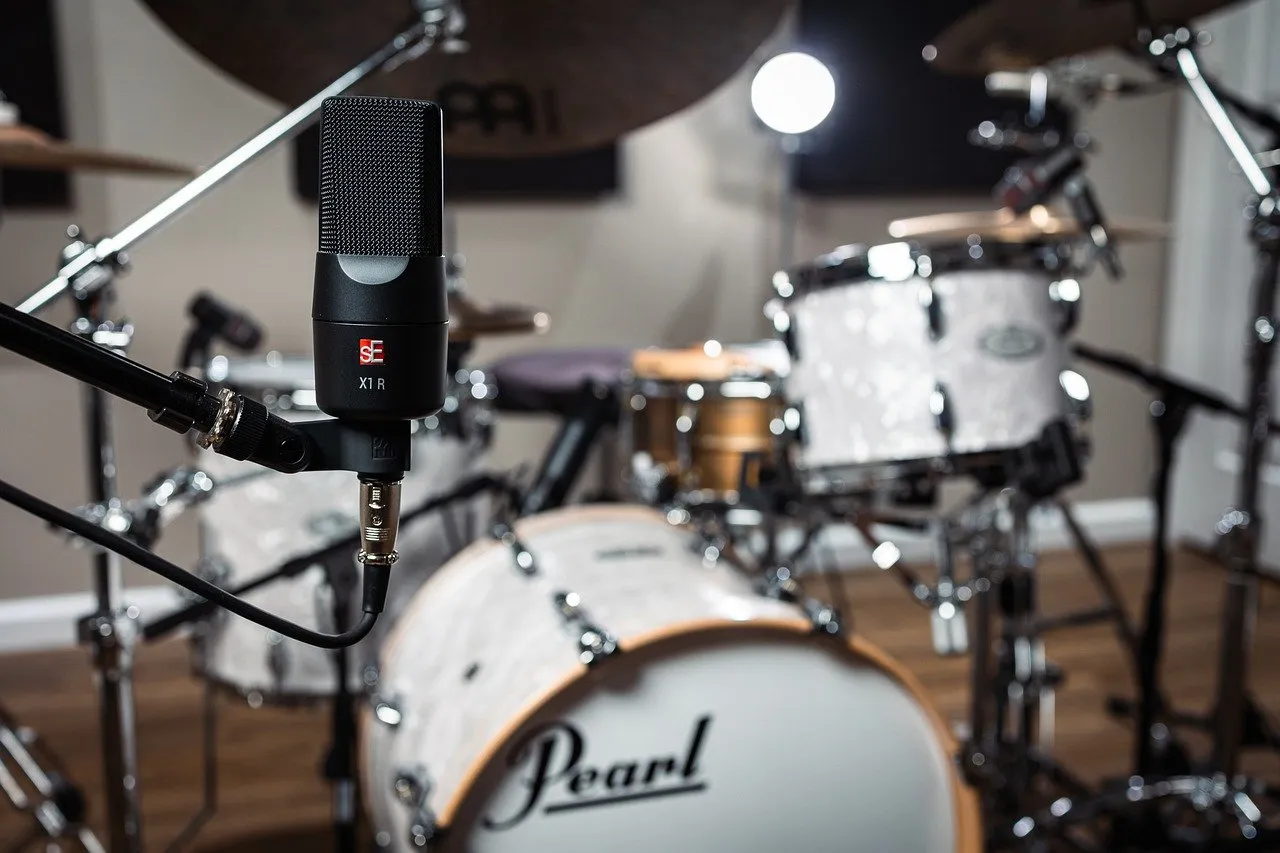
Recording drums is fairly expensive to begin with, and there are lots of options. In this post I go through the industry-standard mics and other gear, so it's easier for beginners to get into the interesting world of recording too.
Aija Peltola
How to record drums on a budget
You can spend quite a lot of money on recording a drum kit. A single mic alone can cost 1500 euros if you want. But many people don't have the means or the reason to put that much into mics. So next, let's look at how you can record drums with less money too.
Recording on a small budget works, because mixing the drums, meaning processing the recording afterwards, matters more than the mics. With good mixing skills and patience, even budget-friendly mics can be made to sound really good.
Tuning & room = ๐
Also keep in mind that a good recording also comes from a well-tuned drum kit and paying attention to the acoustics of the space. You can read about tuning here and about acoustic treatment here.
Next, let's go through the mics and gear one at a time
1. Overhead mics
Overhead mics go above the drum kit, and if there are no other mics, they capture the whole kit at once. If the other drums have their own mics, the overheads mainly capture the cymbals.
An overhead alone captures the drum kit well, but it isn't really enough for the bass drum. That's why the minimum is one overhead plus a separate mic for the bass drum.
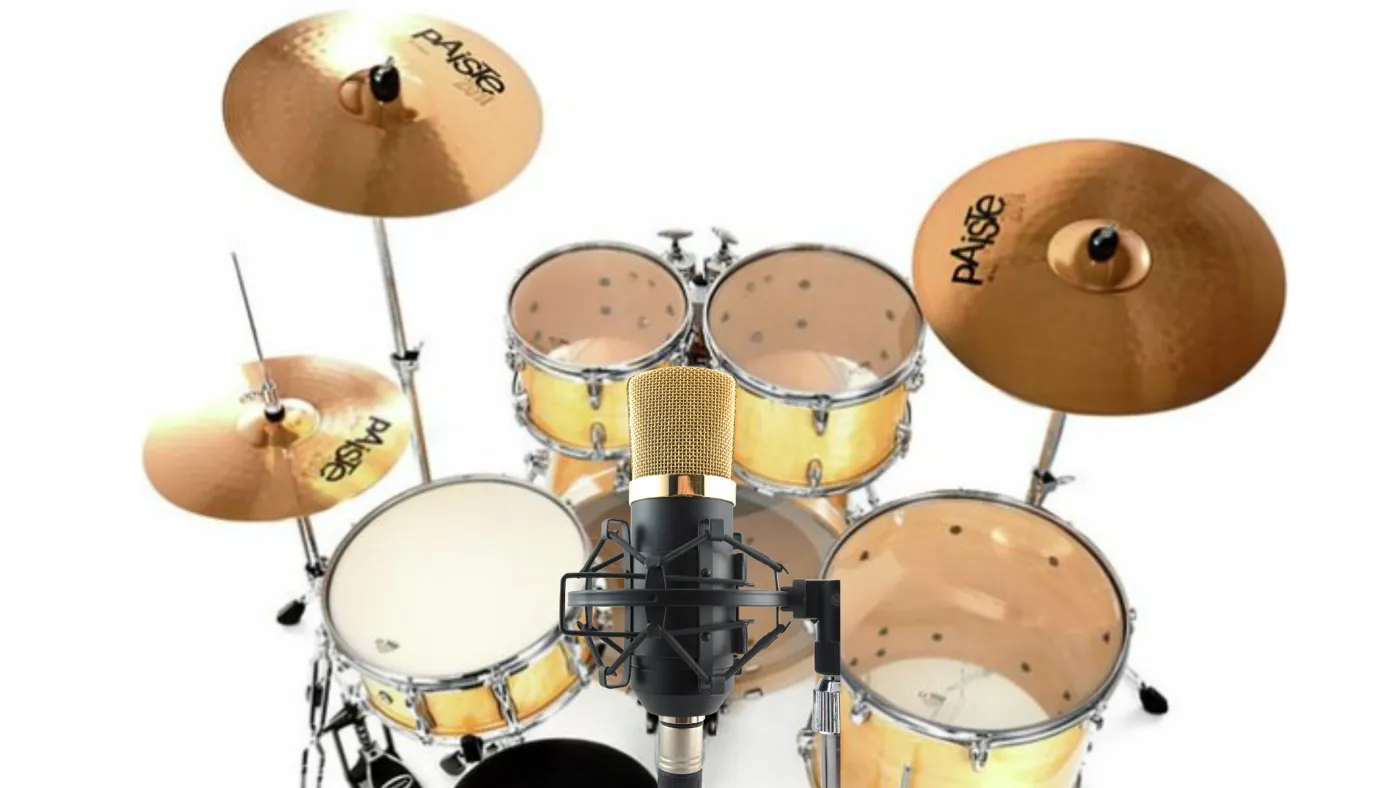
1. Mono overhead
If you record with just one overhead, it's usually placed in the middle of the drum kit, roughly above the bass drum pedal. You can adjust the height depending on the mic, but the most common measurements are about two stick lengths or about 80-90 cm from the snare. See more here.
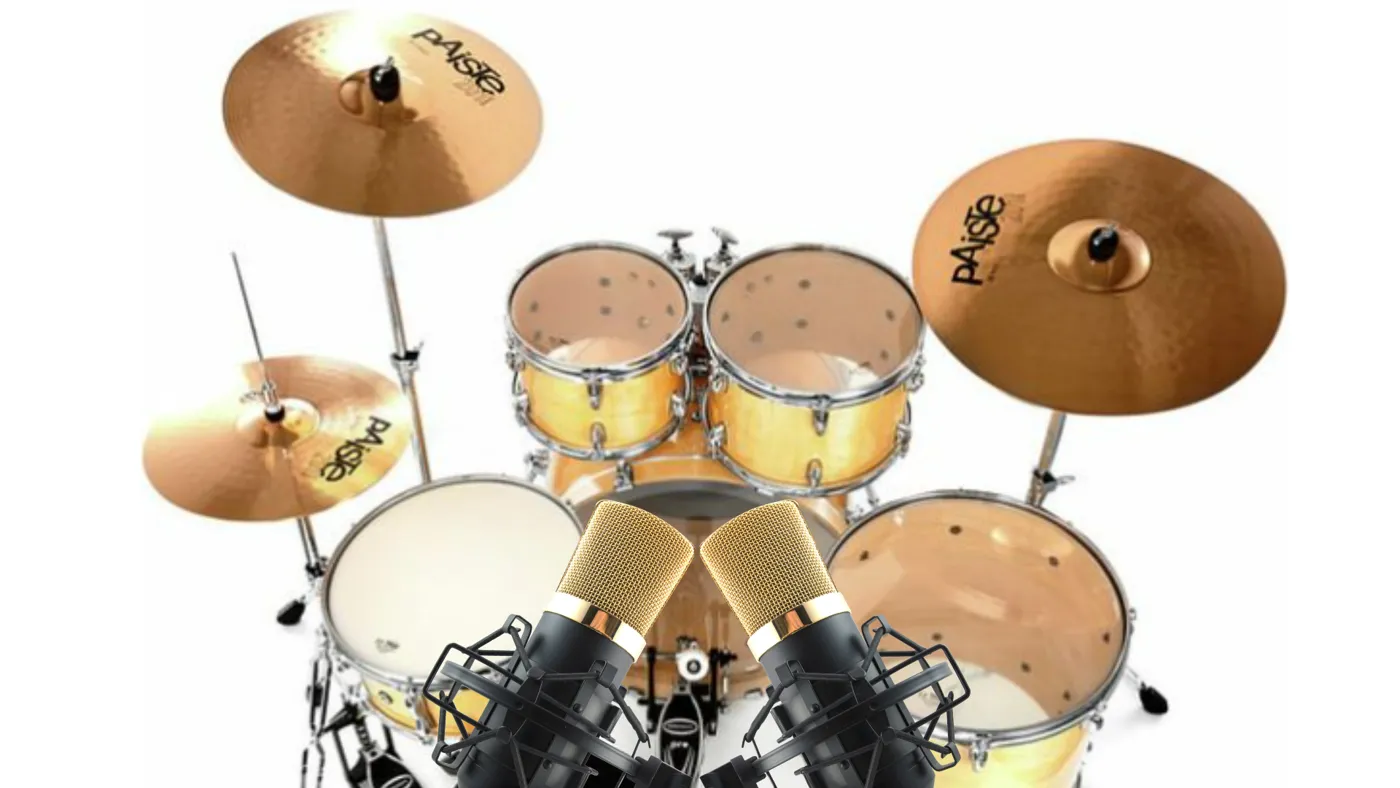
2. Stereo overhead
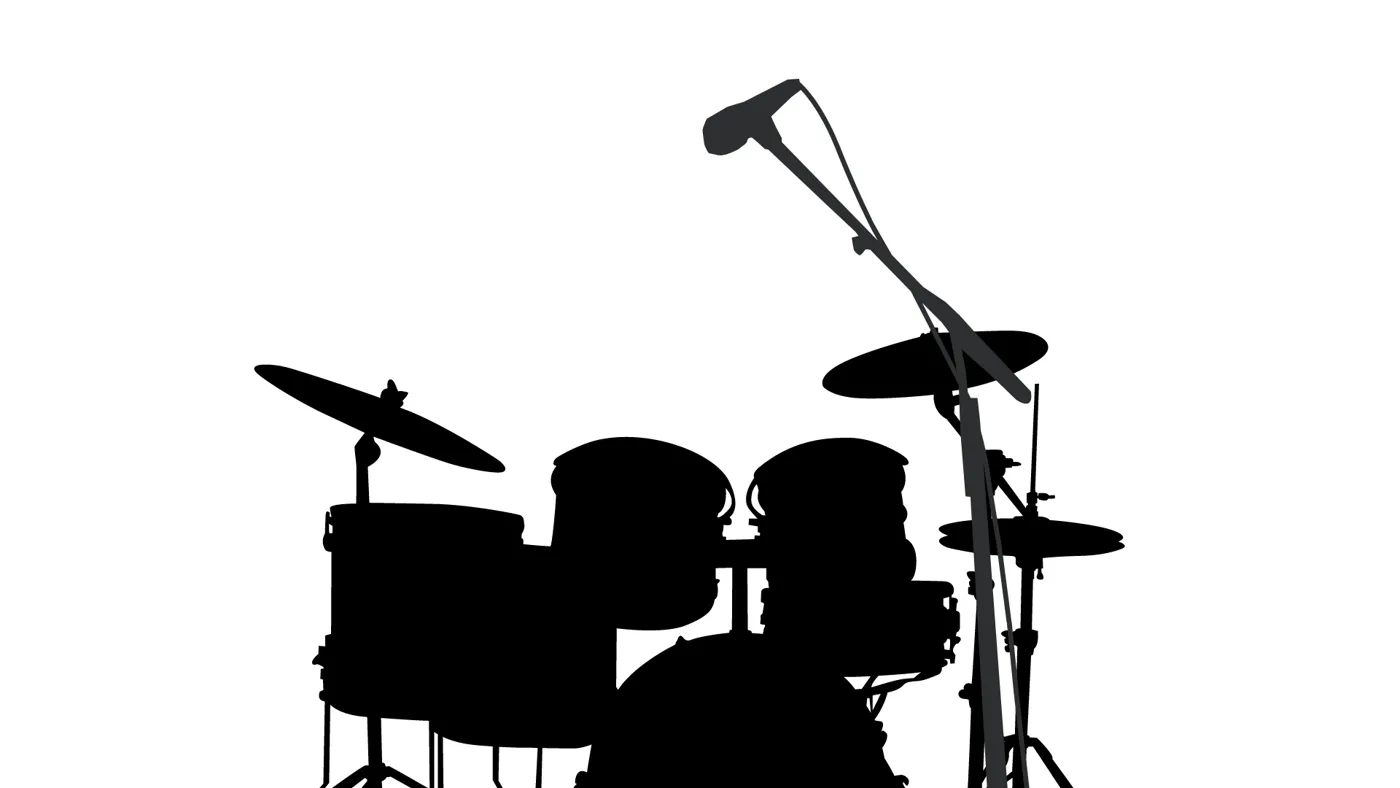
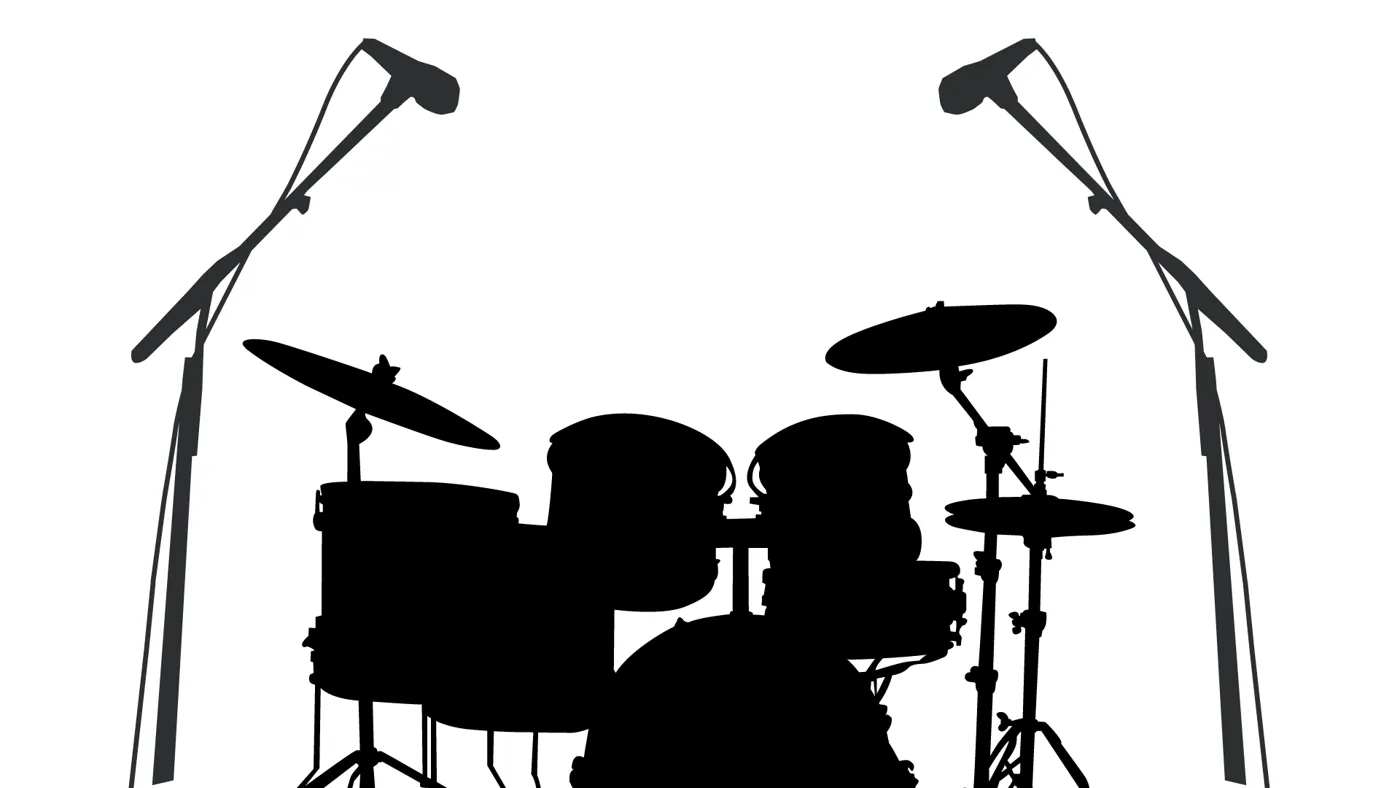
The next level with overheads is to buy two mics so you get the right and left separately, meaning stereo sound. How you place the two mics is a matter of taste. There are many different setups, and the most common are Spaced pair (first image), XY (second image) and Recorderman. See more.
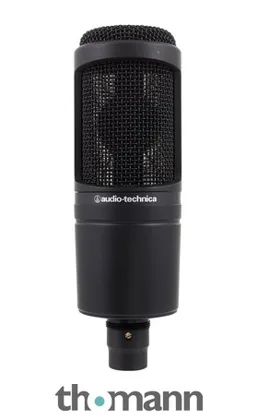
Overhead micsAudio-Technica AT2020This mic works really well as a mono overhead. A natural, warm sound, widely used and liked, and really worth the price. An alternative is the Audio Technica AT-2035.View product โImage: www.thomann.de
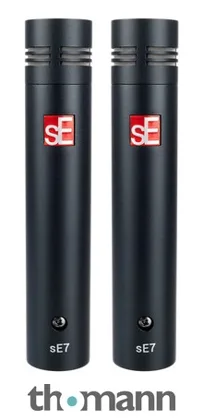
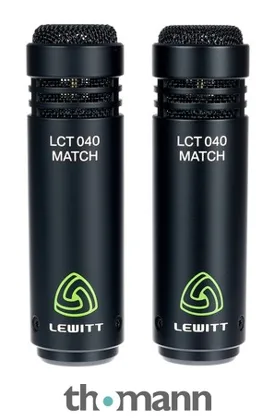
Overhead micsSE Electronics SE7 Stereo-SetThese have also been praised for their excellent value for money. The sound is really good and balanced. I've had these for a while now and I like them! An alternative to the SE is the Lewitt LCT 040.View product โImage: www.thomann.de
Overhead micsLewitt LCT 040 MATCH stereo pairView product โImage: www.thomann.de
2. Snare mic
This one's a simple choice. These standard mics have become the go-to snare mics, whether your budget is small or unlimited. Pick either one and you'll be fine.
The snare mic is usually set up with a holder that clamps onto the hoop. The distance from the head is about three fingers, and the mic should point straight at the center of the snare.
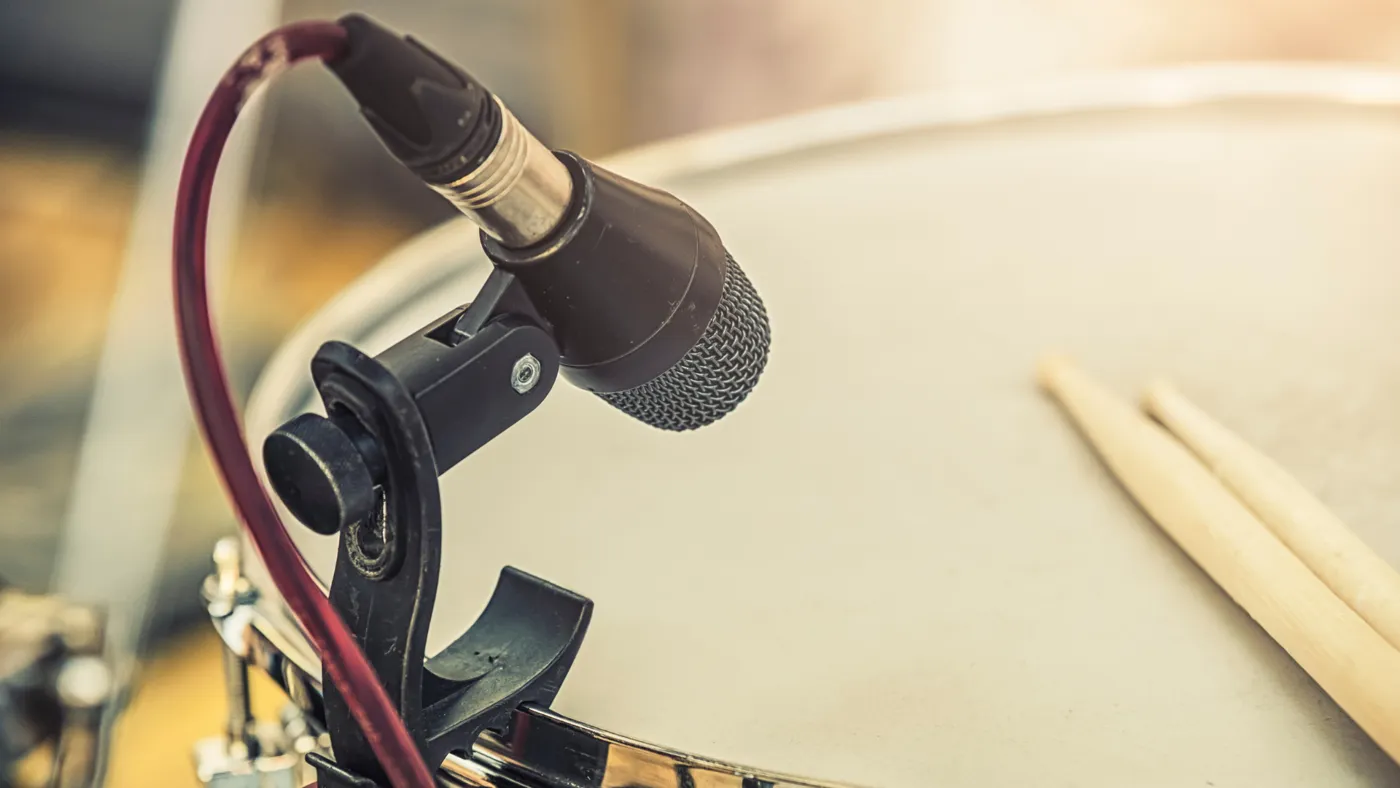
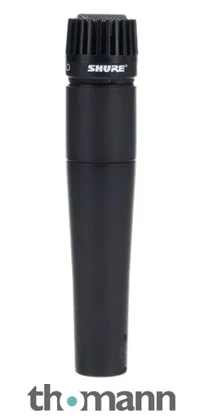
Snare micShure SM57 LCYou can't go wrong with this one. For years, this mic has been in pretty much every recording engineer's mic collection.View product โImage: www.thomann.de
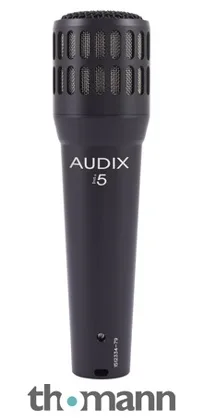
Snare micAudix i-5After the Shure, the Audix i5 is a good runner-up. Often if people don't go with the Shure, they go with this one.View product โImage: www.thomann.de
3. Bass drum mic
The bass drum also has established favorites that work both when you're starting out and for more demanding recording.
The bass drum mic can be placed either inside the bass drum, if the front head has a hole, or in front of the bass drum head. Both have their own advantages.
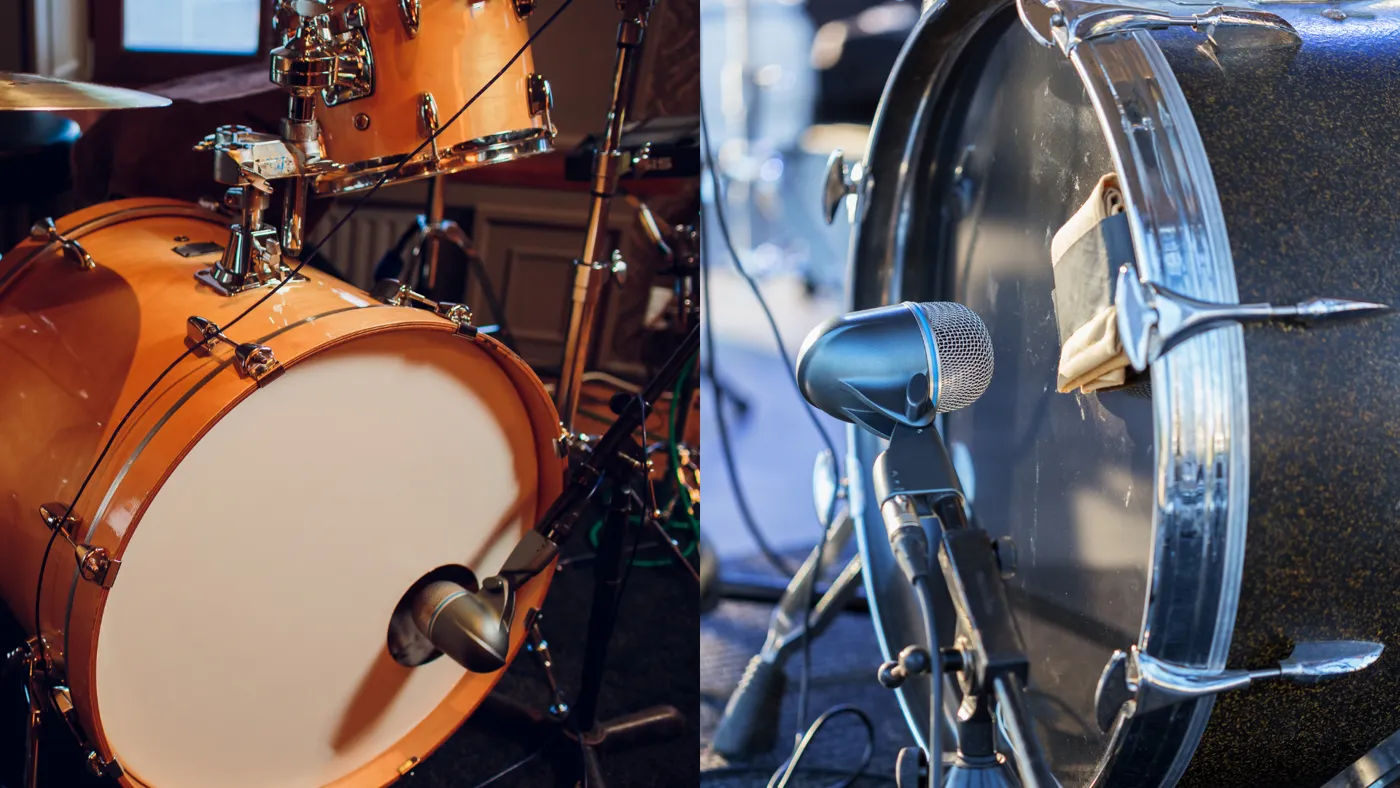
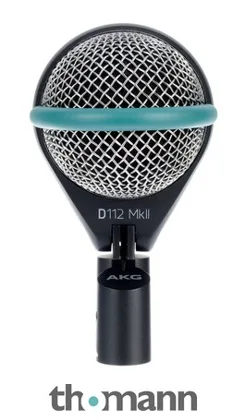
Bass drum micAKG D 112 MKIIThis AKG mic is also very widely used. It's easy to get a good sound out of, versatile and totally reliable.View product โImage: www.thomann.de
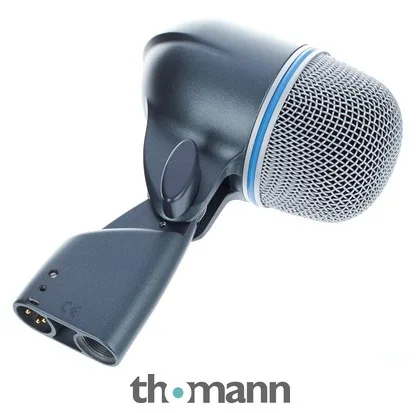
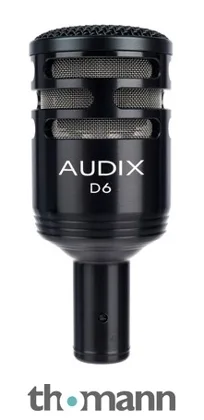
Bass drum micShure Beta 52AAgain, the Shure Beta52 is a good runner-up. If you mostly play rock or metal, the Audix D6 is a good choice: it works for those styles, but otherwise it's a bit one-dimensional. I have one right now and I like it!View product โImage: www.thomann.de
For toms there are already a few more options, and your own preferences and the style of music you play affect the choice. Luckily there are reliable options for rack toms too. You can buy the same mic for the floor tom as for the other toms, or a different one.
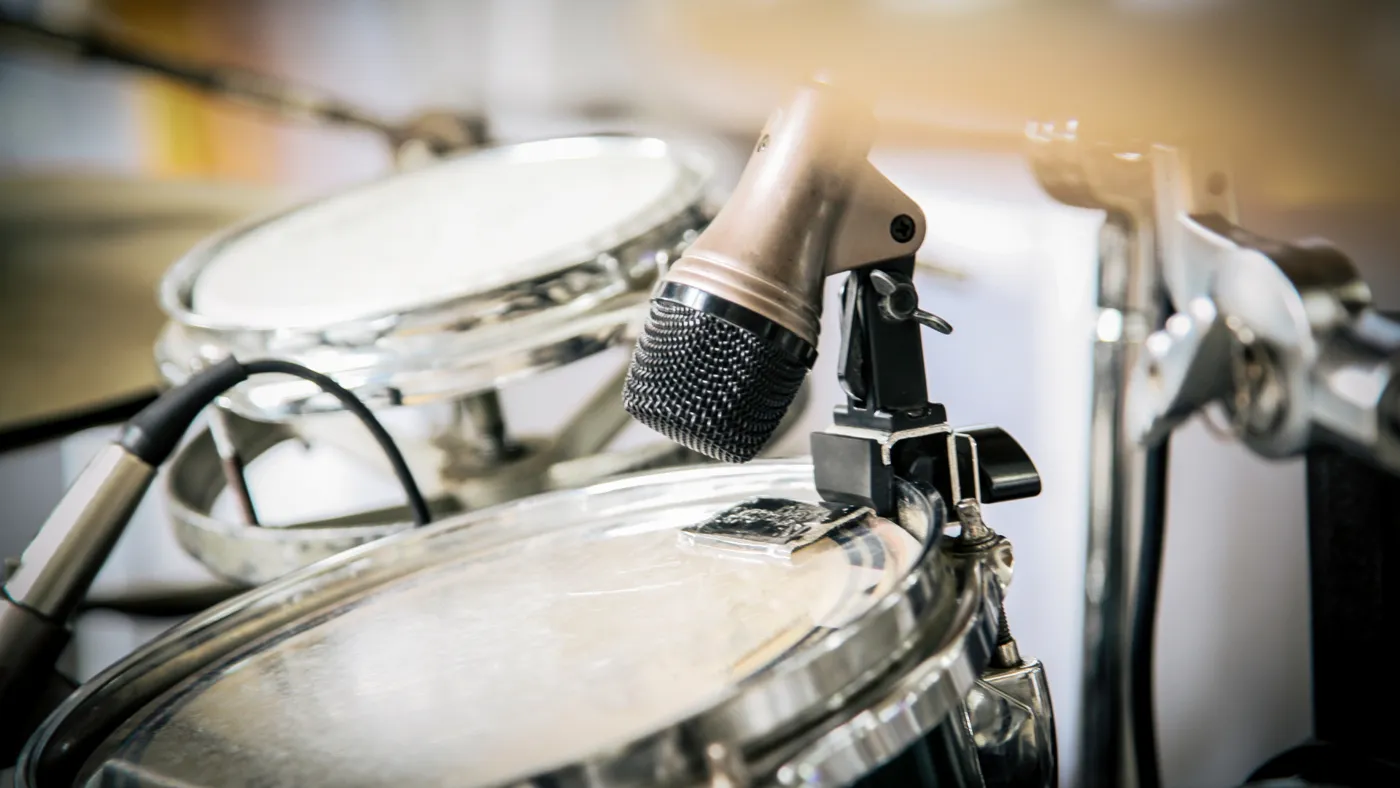
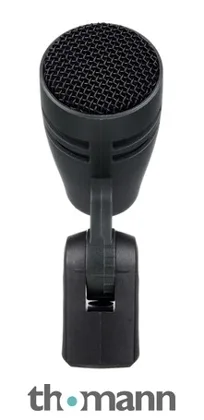
Tomsbeyerdynamic TG D57Works well for recording both rack toms and the floor tom. Easy to mix, a good sound and a small size are its big strengths.View product โImage: www.thomann.de
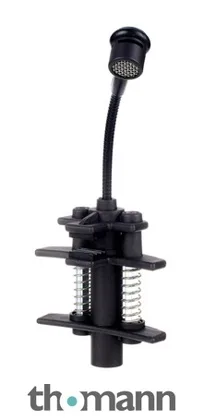
TomsSennheiser E604Another option for tom mics is these Sennheiser mics. Another plus is the good clamp that comes with it. If you're buying several at once, check out the 3-mic pack.View product โImage: www.thomann.de
TomsAudix D6Audix mics are a bit more expensive than the previous ones, but they're used a lot too. The D2 and D4 especially for rack toms and the D6 for the floor tom.View product โImage: www.thomann.de
Stands and cables
It's good to be careful with stands, especially if they're for live use, meaning they get set up, taken down and hauled around a lot. For the rehearsal space, cheaper stands will do. Avoid Millenium stands, they don't really hold up.
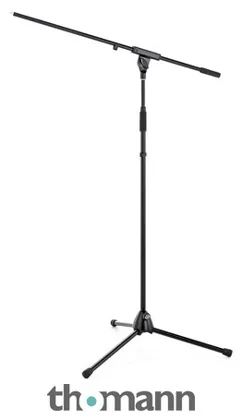
Stand for overheadsK&M 210/30 BKKM stands usually work really well. Buy one or two depending on how many overhead mics you have.View product โImage: www.thomann.de
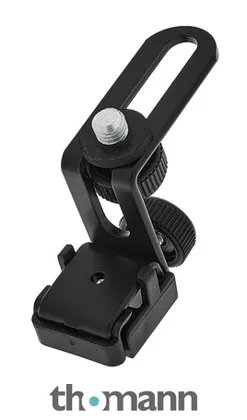
Holder for the snare drumK&M 24030 Microph. Holder Drums BKUnlike some of the tom mics, the snare mics I mentioned don't come with a holder that clamps onto the hoop. So you need a hoop holder, plus a mic clamp between the mic and the hoop holder if the mic didn't come with one. If you buy these two and a Shure SM57, it's a good idea to put the clamp on the wrong way around so the distance and angle are better.View product โImage: www.thomann.de
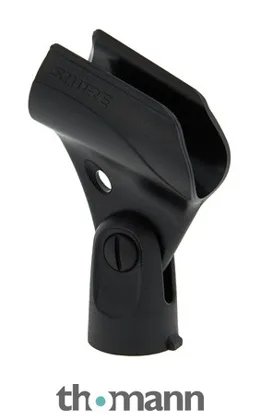
Holder for the snare drumShure A25D Microphone ClampView product โImage: www.thomann.de
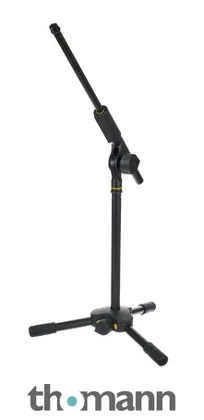
Stand for the bass drumRoadworx Mic Stand Tripod Boom SmallThe Roadworx Mic Stand is a good stand for the bass drum mic, whether the mic is inside or outside the drum.View product โImage: www.thomann.de
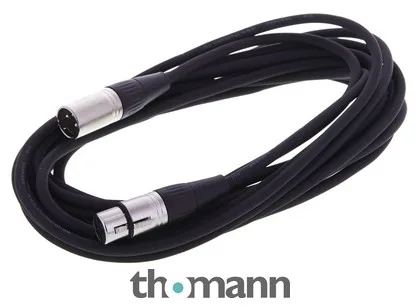
XLR cables for every micthe sssnake SM6BKSimple: buy as many of these as you bought mics. One end goes into the mic and the other into the mixer / audio interface.View product โImage: www.thomann.de
Audio interface or mixer
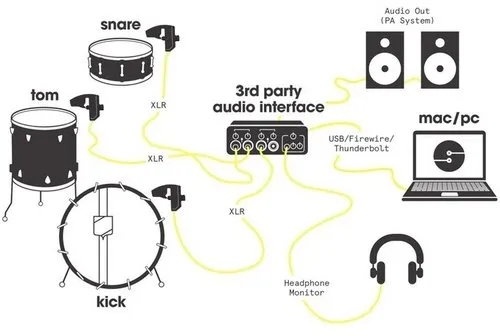
To capture the sound of the drums, you need an audio interface or a mixer that sends the sound from the mics into a DAW (next section).
By now you should have an idea of how many mics you're going to buy. Based on that, you can decide whether to buy an audio interface or a mixer and how many channels you need, meaning one channel per mic.
1 bass drum mic and 1 overhead mic = two channels would be enough 1 bass drum and 2 overheads + snare = four channels would be enough.
If there's any room at all in your budget, it's better to buy an 8-channel device than just as many channels as you need right now. If you end up getting more into recording, you won't have to upgrade to something bigger right away.
If you're not going to mix the drums when playing live, you don't need a mixer. A plain USB audio interface is enough. Below are two examples of each.
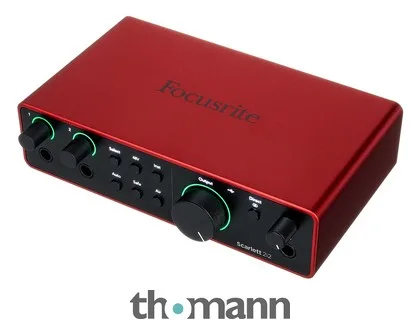
For two channelsFocusrite Scarlett 2i2 4th GenerationIf you're sure you won't buy more than two mics, and you're not going to mix the drums in real time but only record and mix afterwards, this audio interface will get you started.View product โImage: www.thomann.de
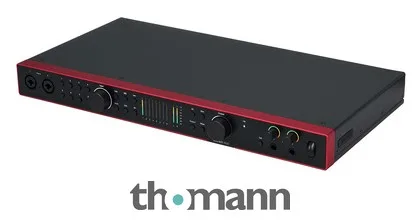
For eight channelsFocusrite Scarlett 18i20 4th GenThis is a really popular choice. The price is getting a bit higher, but the value for money is excellent. This is an audio interface too, so no live mixingView product โImage: www.thomann.de
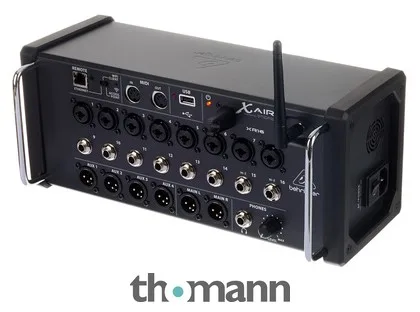
16-channel mixerBehringer X Air XR16With this you can both record and mix in real time. 16 channels are enough for the whole band and the price isn't totally crazy yet. It has 8 XLR mic channels and 8 1/4" (6.3 mm) jack line channels.View product โImage: www.thomann.de
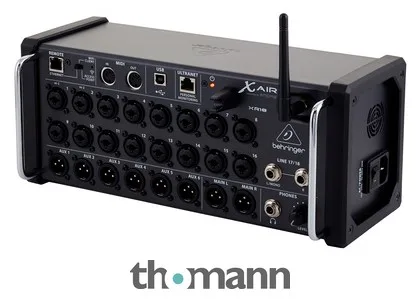
Mixer for the whole bandBehringer X Air XR18This one isn't cheap anymore, the price has gone up a lot in the last few years. This mixer has enough channels for the whole band, lets you mix live from a computer or phone, and has lots of other features that will get you through even demanding recordings. It has 16 mic channels (XLR/jack combo inputs) and 2 1/4" (6.3 mm) jack line channels.View product โImage: www.thomann.de
DAW (Digital Audio Workstation)
If you go with Reaper, definitely watch all the videos in this series, and you'll be well on your way.
Recording a drum kit isn't the easiest process, and definitely not the cheapest. It's a good idea to start with a couple of mics at a time, practice recording and especially mixing, and then slowly buy more mics.